

Payment
Application Fee: 105 USD (Taxes Included)
23,400 $ per year
14,000 $ per year
2,340 $ per year
7,480 $ per year
585 $ per year

University performance analysis
This visual analysis summarizes key academic, research, financial, and global indicators using the official UniEv® evaluation methodology.
The radar analysis highlights Research Strength as a primary strength, reflecting strong alignment with UniEv® academic benchmarks. Conversely, Cost Efficiency shows relative development potential, indicating a strategic area for improvement to enhance competitiveness, student experience, and long-term global positioning.
Global performance comparison
This comparison reveals how the university aligns with global academic benchmarks. Performance strengths and gaps are highlighted to support informed student decisions and strategic academic positioning.
Tuition value & student diversity
These insights help applicants evaluate academic return on investment and understand the university’s international exposure.
Tuition vs Academic Value
Student profile distribution
Ranking Criteria
UniEv® Rank
Global: 23
Oceania: 3
Australia: 3
Lismore: 1
1) Accreditation
The University of New South Wales (UNSW Sydney) is a public research university established in 1949 and regulated by TEQSA. The Doctor of Medicine (MD) program delivered by the Faculty of Medicine & Health is fully accredited by the Australian Medical Council (AMC), enabling graduates to undertake internship training in Australia. The degree is internationally recognized and listed in global medical education directories, supporting licensure pathways in multiple countries subject to local regulatory examinations.
2) Quality of Education
UNSW delivers one of Australia’s most academically rigorous medical programs. The MD curriculum integrates biomedical sciences, clinical reasoning, population health, and research literacy. Teaching methods include problem-based learning, case-based discussions, simulation, and early clinical exposure. Strong emphasis is placed on evidence-based medicine, critical thinking, and professionalism. Graduates are widely regarded for academic excellence and clinical readiness.
3) Clinical Training
Clinical training is delivered through an extensive network of major teaching hospitals in New South Wales, including Prince of Wales Hospital, St George Hospital, and Liverpool Hospital. Students gain exposure to tertiary care, community medicine, and rural health settings. Longitudinal integrated clerkships enhance continuity of patient care and clinical responsibility.
4) Faculty
The Faculty of Medicine & Health employs a large body of clinician-scientists, surgeons, public health experts, and biomedical researchers. Many faculty members hold joint appointments with major hospitals and research institutes, ensuring close alignment between academic teaching, research, and clinical practice.
5) Research
UNSW is among Australia’s leading medical research institutions, producing over 120,000 indexed medical and health publications. Research strengths include oncology, neuroscience, infectious diseases, mental health, public health, and translational medicine. Medical students are actively encouraged to participate in research and innovation activities.
6) Rankings
With a global ranking of 20, UNSW consistently places among the world’s top medical universities. Its position reflects high research impact, academic reputation, and strong graduate outcomes.
7) Tuition
As a public university, UNSW charges tuition for international students enrolled in medical and health programs. Medicine and Dentistry represent the highest-cost programs due to intensive clinical training and advanced research infrastructure. Tuition increases are gradual and aligned with national education policy.
8) Cost of Living
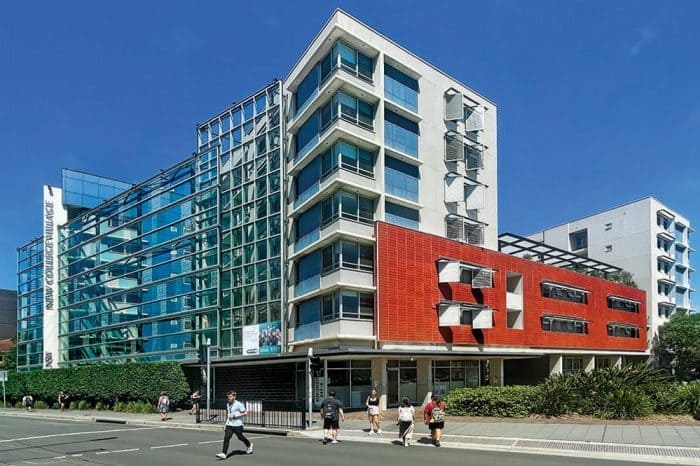
Sydney is Australia’s most expensive city. Medical students at UNSW typically budget around 1950 USD/month, covering accommodation, food, transport, utilities, and personal expenses.
9) Student Life
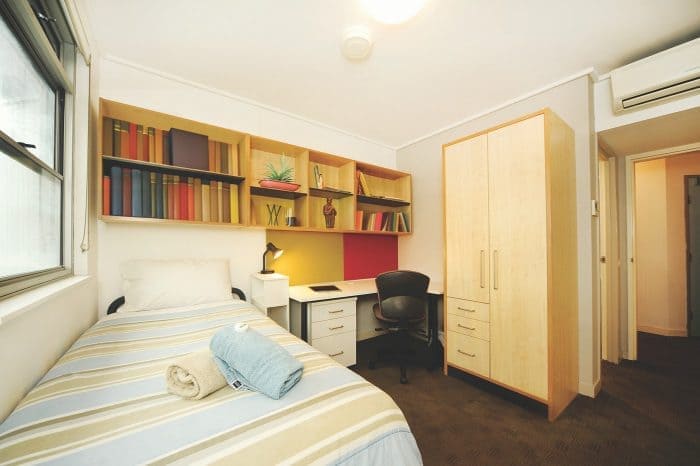
Medical students experience a demanding academic environment supported by extensive student services. Student societies, clinical interest groups, research programs, and wellness initiatives contribute to a vibrant and supportive student community.
10) Facilities
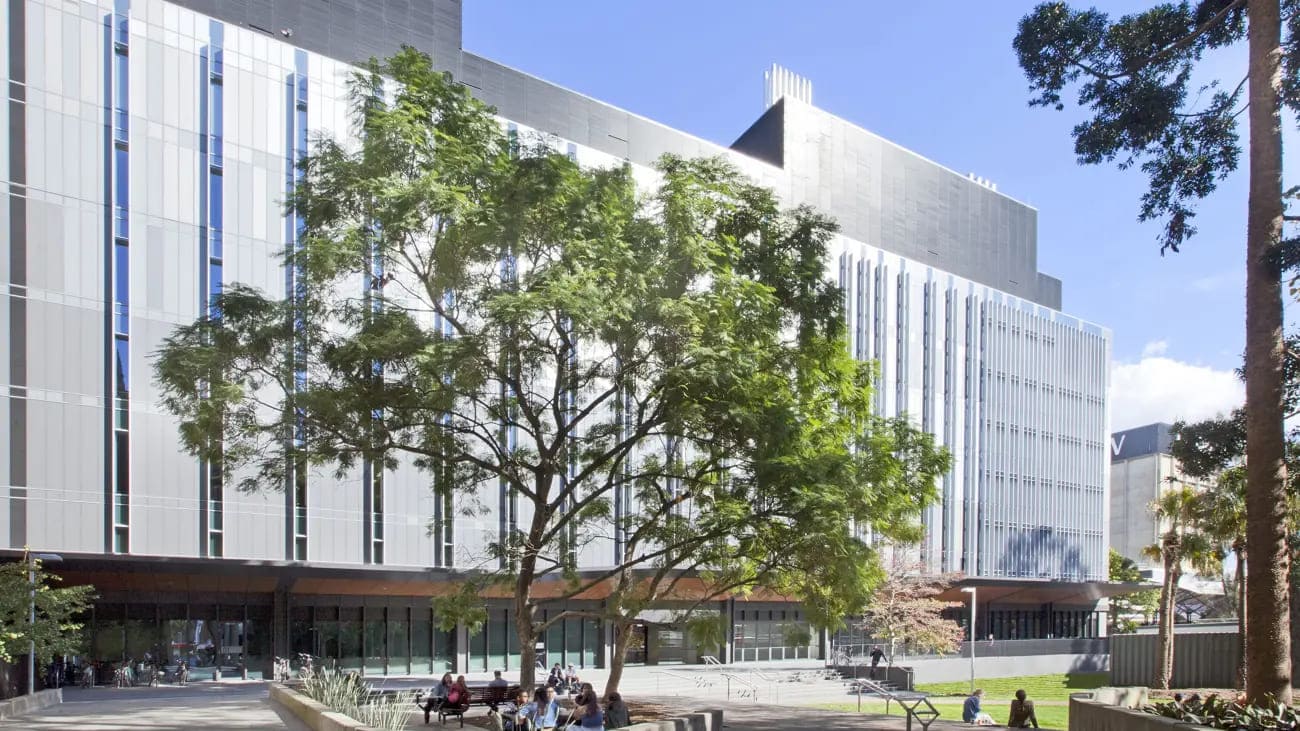
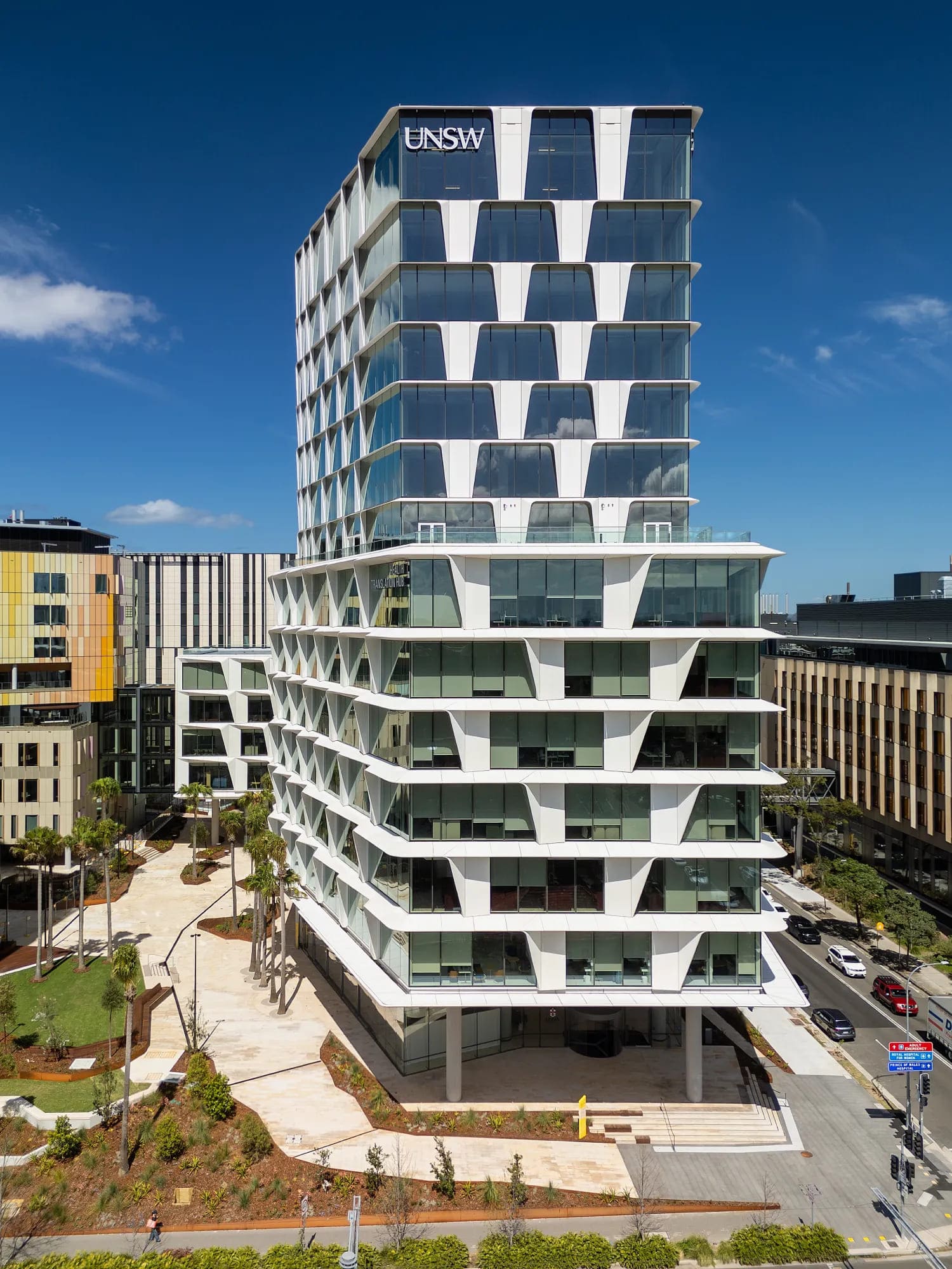
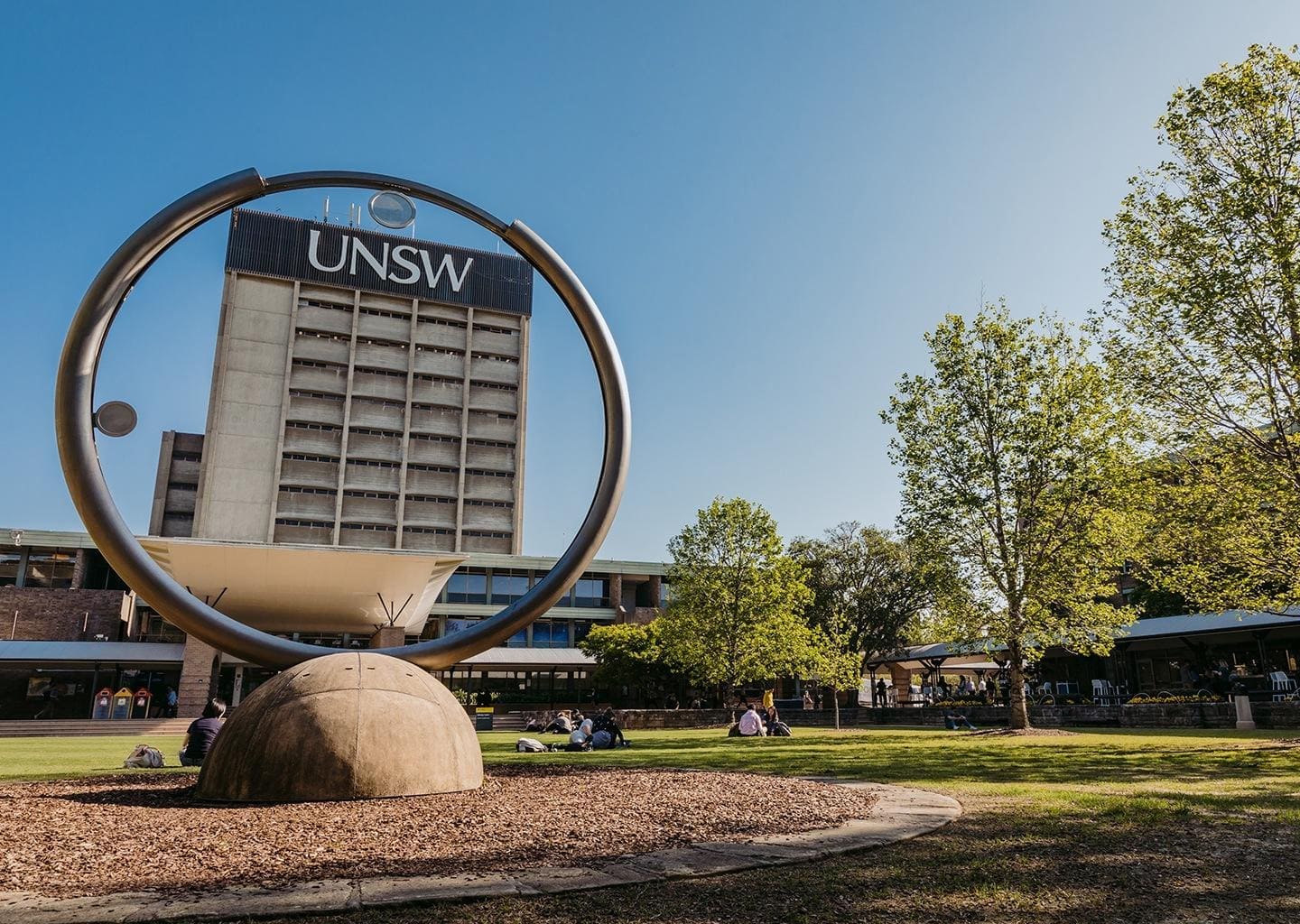
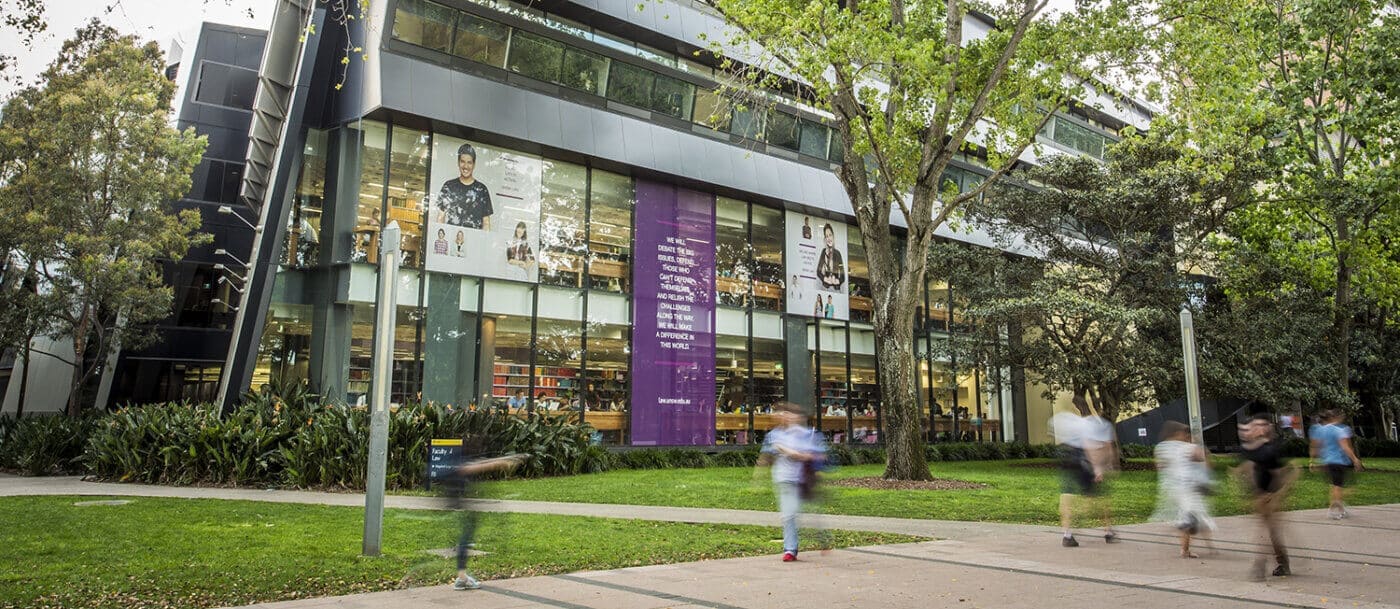
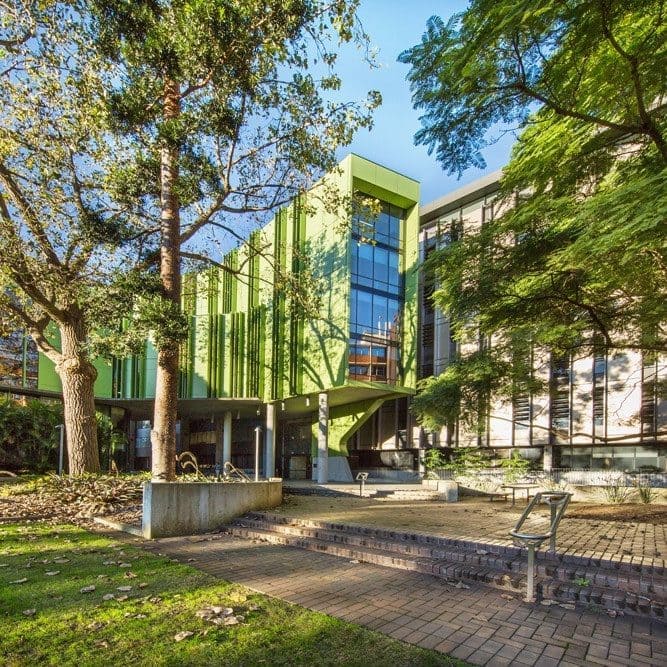
Facilities include world-class simulation centers, biomedical laboratories, clinical skills units, and access to major tertiary teaching hospitals. Infrastructure strongly supports advanced clinical education and high-impact medical research.
11) Graduate Outcomes
Graduates commonly secure internships across New South Wales and proceed into specialty training programs. UNSW alumni are widely represented in hospital specialties, academic medicine, public health, and global health leadership roles.
12) Admission Criteria
Admission to the MD program requires a recognized bachelor’s degree, competitive GPA, UCAT or equivalent assessment, structured interviews, and English language proficiency. Selection is highly competitive.
13) Location
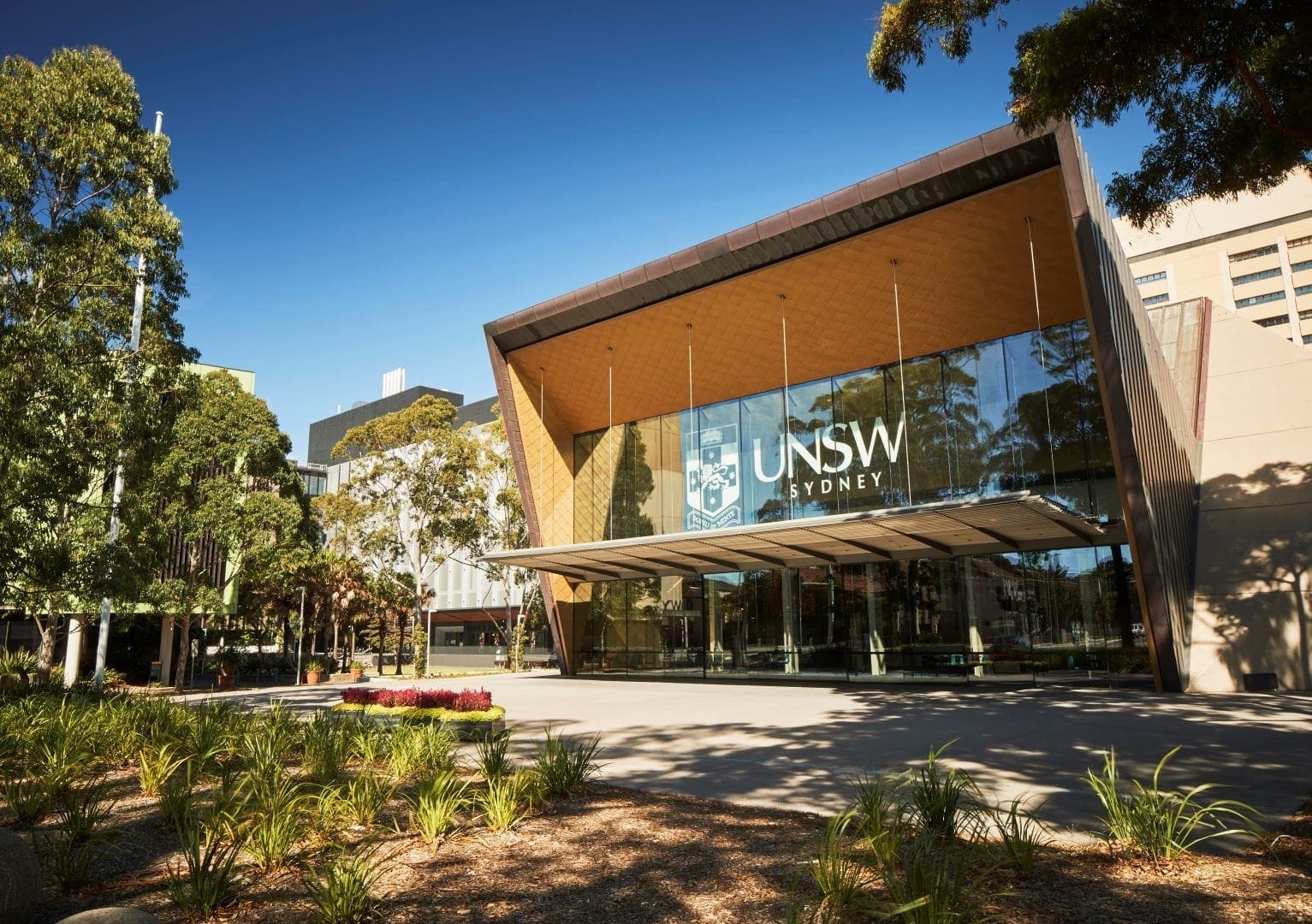
Located in Sydney, UNSW benefits from access to Australia’s largest healthcare network and extensive clinical placement opportunities across metropolitan, regional, and rural settings.
14) Data Transparency
UNSW publishes detailed information on curricula, tuition, accreditation, and graduate outcomes. As a public institution, it operates under strict national quality assurance, governance, and reporting standards.














Comments are closed.