

Payment
Application Fee: 105 USD (Taxes Included)
24,000 $ per year
14,500 $ per year
2,400 $ per year
7,700 $ per year
600 $ per year

University performance analysis
This visual analysis summarizes key academic, research, financial, and global indicators using the official UniEv® evaluation methodology.
The radar analysis highlights Research Strength as a primary strength, reflecting strong alignment with UniEv® academic benchmarks. Conversely, Cost Efficiency shows relative development potential, indicating a strategic area for improvement to enhance competitiveness, student experience, and long-term global positioning.
Global performance comparison
This comparison reveals how the university aligns with global academic benchmarks. Performance strengths and gaps are highlighted to support informed student decisions and strategic academic positioning.
Tuition value & student diversity
These insights help applicants evaluate academic return on investment and understand the university’s international exposure.
Tuition vs Academic Value
Student profile distribution
Ranking Criteria
UniEv® Rank
Global: 15
Oceania: 1
Australia: 1
Melbourne: 1
1) Accreditation
The University of Melbourne is Australia’s leading public research university, founded in 1853 and regulated by TEQSA. Melbourne Medical School’s Doctor of Medicine (MD) program is fully accredited by the Australian Medical Council (AMC), allowing graduates to enter internship training across Australia. The MD degree is internationally recognized and listed by global medical education authorities, enabling graduates to pursue medical licensure pathways in multiple countries subject to regulatory examinations.
2) Quality of Education
Melbourne Medical School delivers one of the most academically elite medical programs worldwide. The MD curriculum integrates biomedical sciences, clinical reasoning, research literacy, and professionalism. Teaching emphasizes evidence-based medicine, critical thinking, and patient-centered care. Graduates consistently demonstrate exceptional academic performance and clinical competence.
3) Clinical Training
Clinical training is conducted through an extensive network of premier teaching hospitals, including Royal Melbourne Hospital, St Vincent’s Hospital, and Austin Health. Students gain exposure to complex tertiary care, community medicine, and rural health settings, ensuring comprehensive and high-level clinical preparation.
4) Faculty
The faculty comprises internationally renowned clinician-scientists, surgeons, biomedical researchers, and public health leaders. Many hold joint appointments with major hospitals and research institutes, ensuring strong alignment between teaching, research, and advanced clinical practice.
5) Research
The University of Melbourne is one of the world’s most productive medical research institutions, with over 130,000indexed medical and health publications. Research strengths include oncology, neuroscience, genomics, infectious diseases, public health, and translational medicine. Student involvement in research is strongly encouraged.
6) Rankings
With a global ranking of 14 and local ranking of 1, the University of Melbourne consistently leads Australian medical education. Its position reflects outstanding research impact, academic reputation, and graduate outcomes.
7) Tuition
As a public university, Melbourne charges tuition for international students enrolled in medical and health programs. Medicine and Dentistry represent the highest-cost programs due to intensive clinical training, advanced infrastructure, and research integration. Tuition increases are gradual and policy-aligned.
8) Cost of Living
Melbourne has one of Australia’s highest living costs. Medical students typically budget around 2000 USD/month, covering accommodation, food, transport, utilities, and personal expenses.
9) Student Life
Medical students experience a highly demanding academic environment supported by extensive student services. Student societies, global health initiatives, research groups, and wellness programs contribute to a rich and balanced student experience.
10) Facilities
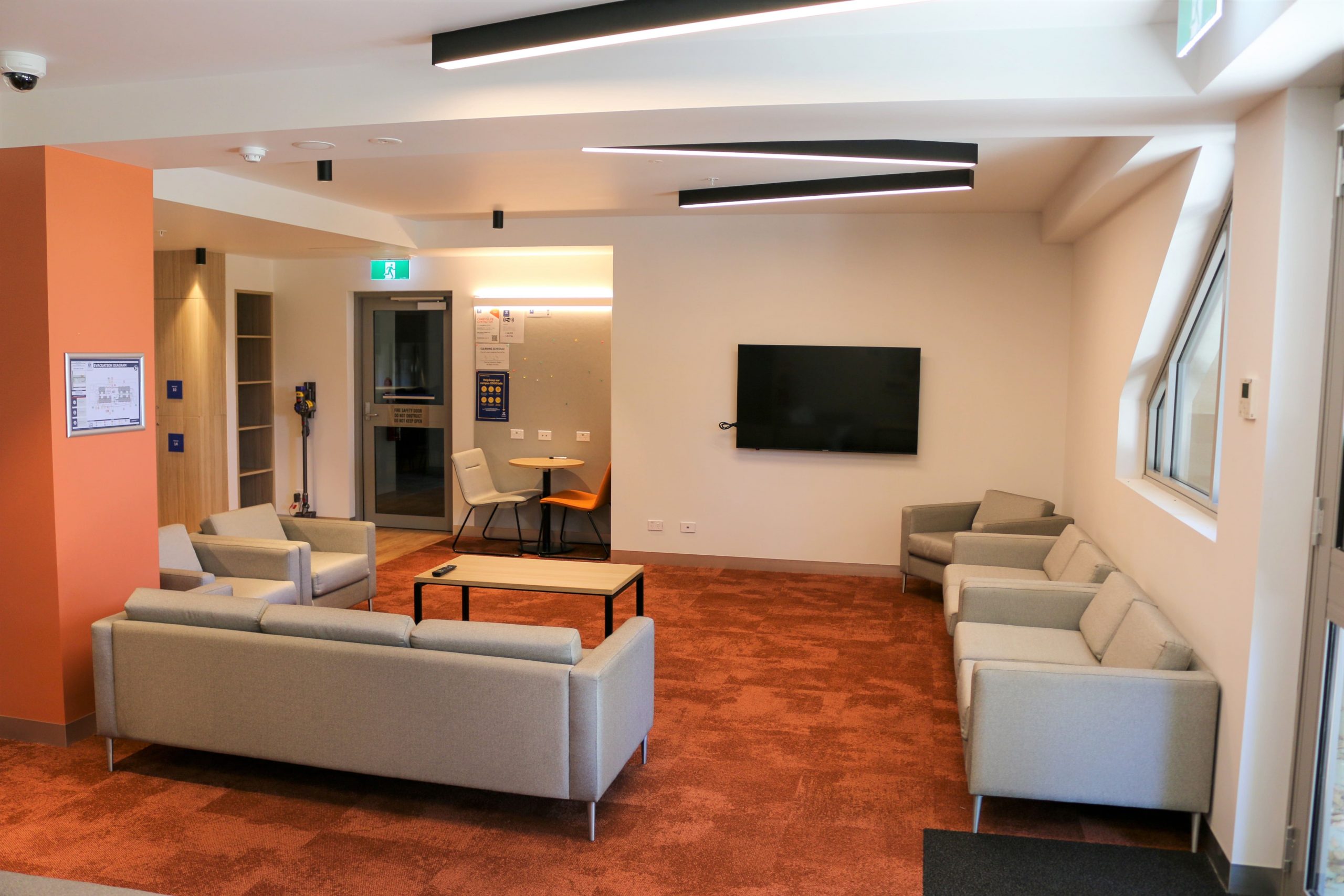
Facilities include world-class simulation centers, biomedical laboratories, clinical skills units, and access to Australia’s largest network of teaching hospitals. Infrastructure supports advanced clinical education and cutting-edge medical research.
11) Graduate Outcomes
Graduates commonly secure internships across Victoria and Australia and proceed into highly competitive specialty training programs. Alumni are widely represented in hospital specialties, academic medicine, public health, and global healthcare leadership.
12) Admission Criteria
Admission to the MD program requires a recognized bachelor’s degree, exceptional GPA, GAMSAT, structured interviews, and English language proficiency. Selection is highly competitive at both national and international levels.
13) Location
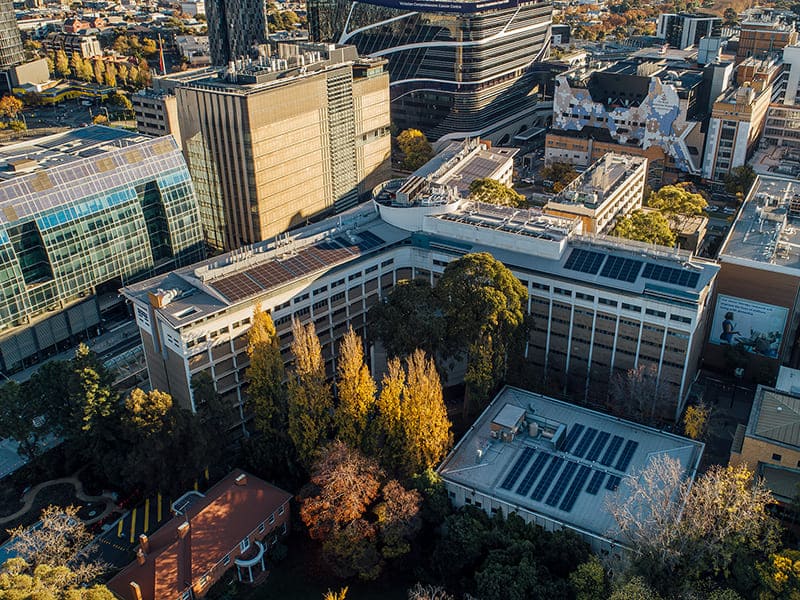
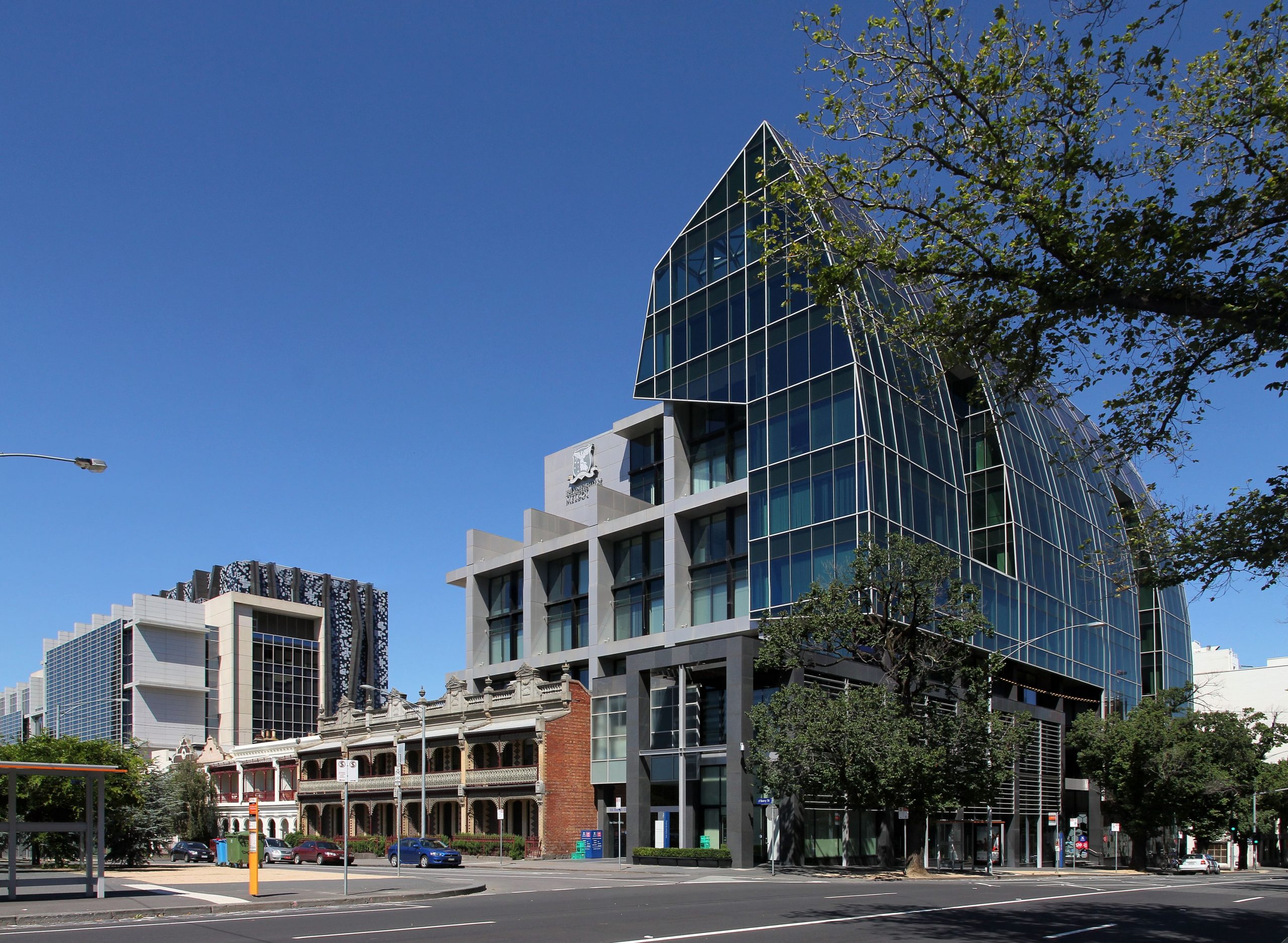
Located in Parkville, Melbourne’s medical and biomedical precinct, the university benefits from unparalleled access to hospitals, research institutes, and healthcare innovation hubs.
14) Data Transparency
The University of Melbourne publishes comprehensive information on curricula, tuition, accreditation, and graduate outcomes. As a public institution, it operates under strict national quality assurance, governance, and reporting standards.













Comments are closed.