

Payment
Application Fee: 105 USD (Taxes Included)
6,960 $ per year
650 $ per year
696 $ per year
1,522 $ per year
174 $ per year

University performance analysis
This visual analysis summarizes key academic, research, financial, and global indicators using the official UniEv® evaluation methodology.
The radar analysis highlights Faculty Capacity as a primary strength, reflecting strong alignment with UniEv® academic benchmarks. Conversely, Cost Efficiency shows relative development potential, indicating a strategic area for improvement to enhance competitiveness, student experience, and long-term global positioning.
Global performance comparison
This comparison reveals how the university aligns with global academic benchmarks. Performance strengths and gaps are highlighted to support informed student decisions and strategic academic positioning.
Ranking Criteria
UniEv® Rank
Global: 64
South America: 23
Argentina: 3
Rosario: 1
1) Accreditation
The National University of Rosario (UNR) is a major public university founded in 1968 and officially recognized by Argentina’s Ministry of Education. Its Faculty of Medical Sciences operates under CONEAU accreditation, ensuring compliance with national academic and professional standards. Medical and health degrees awarded by UNR are legally valid across Argentina and are recognized internationally for credential evaluation and licensing pathways, subject to the regulations of destination countries.
2) Quality of Education
UNR delivers a high-quality public medical education with a strong emphasis on biomedical sciences, clinical reasoning, and public health. The curriculum is academically demanding, combining rigorous theoretical instruction with progressive clinical exposure. Graduates are known for strong foundational knowledge, critical thinking skills, and adaptability to diverse healthcare systems.
3) Clinical Training
Clinical training is conducted across an extensive network of public hospitals and healthcare centers in Rosario, one of Argentina’s major medical hubs. Students are exposed to high patient volumes, diverse pathologies, and community health environments, ensuring robust hands-on experience prior to graduation.
4) Faculty
The Faculty of Medical Sciences employs a large academic staff of clinicians, surgeons, and researchers. Many faculty members actively practice within the public healthcare system, ensuring that teaching reflects real-world clinical practice and current medical standards.
5) Research
UNR is one of Argentina’s leading research institutions, with strong output in medicine, biomedical sciences, and public health. Research is supported by national funding bodies and international collaborations. Medical students are encouraged to participate in research projects, fostering scientific literacy and academic growth.
6) Rankings
UNR consistently ranks among the top five universities in Argentina and maintains a solid global position. Its ranking strength is driven by research productivity, academic reputation, and institutional scale rather than private funding.
7) Tuition
All undergraduate medical and health programs at UNR are tuition-free. A value of 0 USD indicates no academic tuition fees are charged, as education is fully state-funded. This policy applies equally to local and international students.
8) Cost of Living
Rosario offers a moderate cost of living compared with Buenos Aires. Students typically manage affordable monthly expenses covering housing, food, transportation, and academic needs, making UNR financially accessible.
9) Student Life
Medical students experience an academically intensive environment complemented by student organizations, research groups, and community outreach initiatives. Rosario’s vibrant urban life provides cultural and professional opportunities alongside academic commitments.
10) Facilities
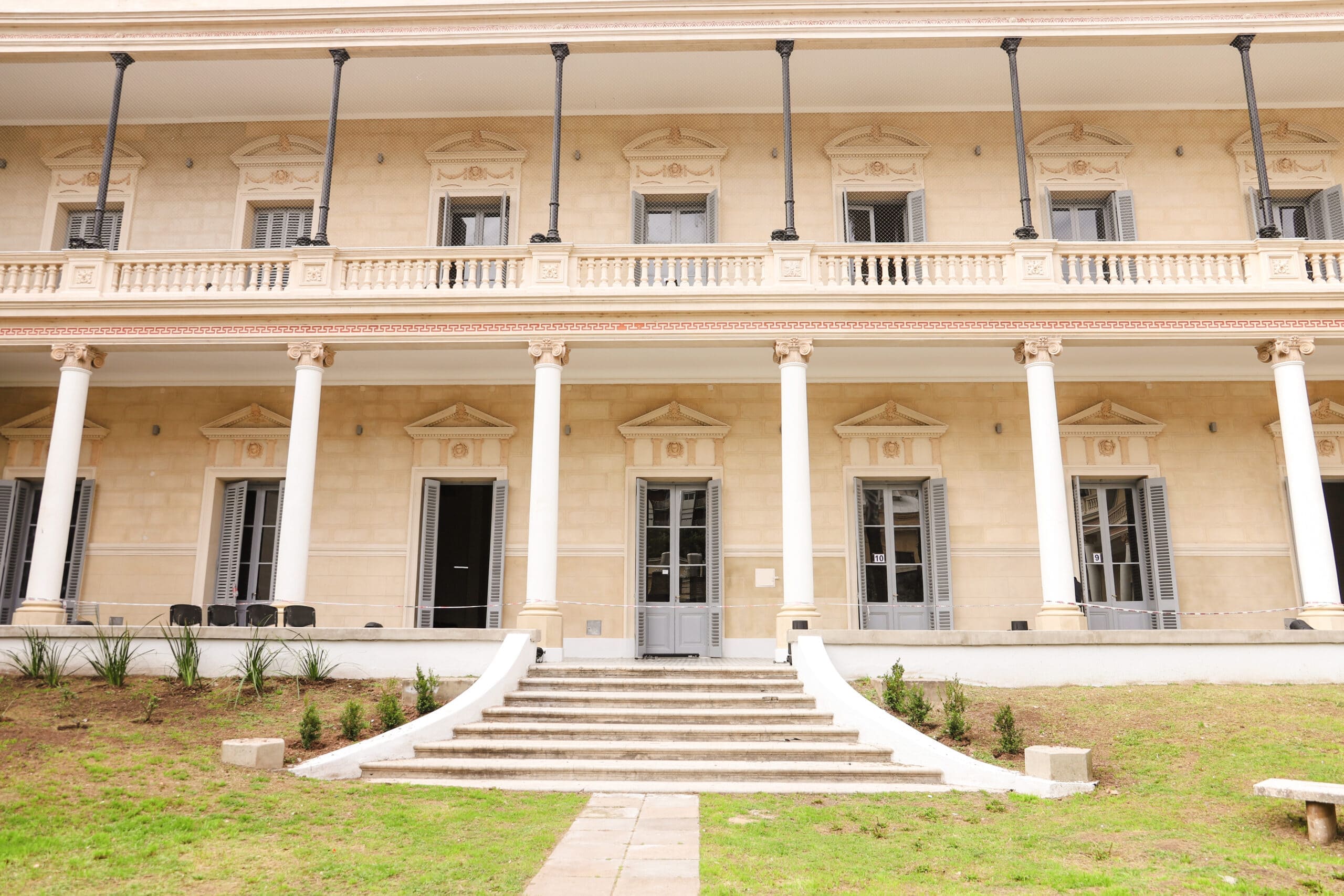
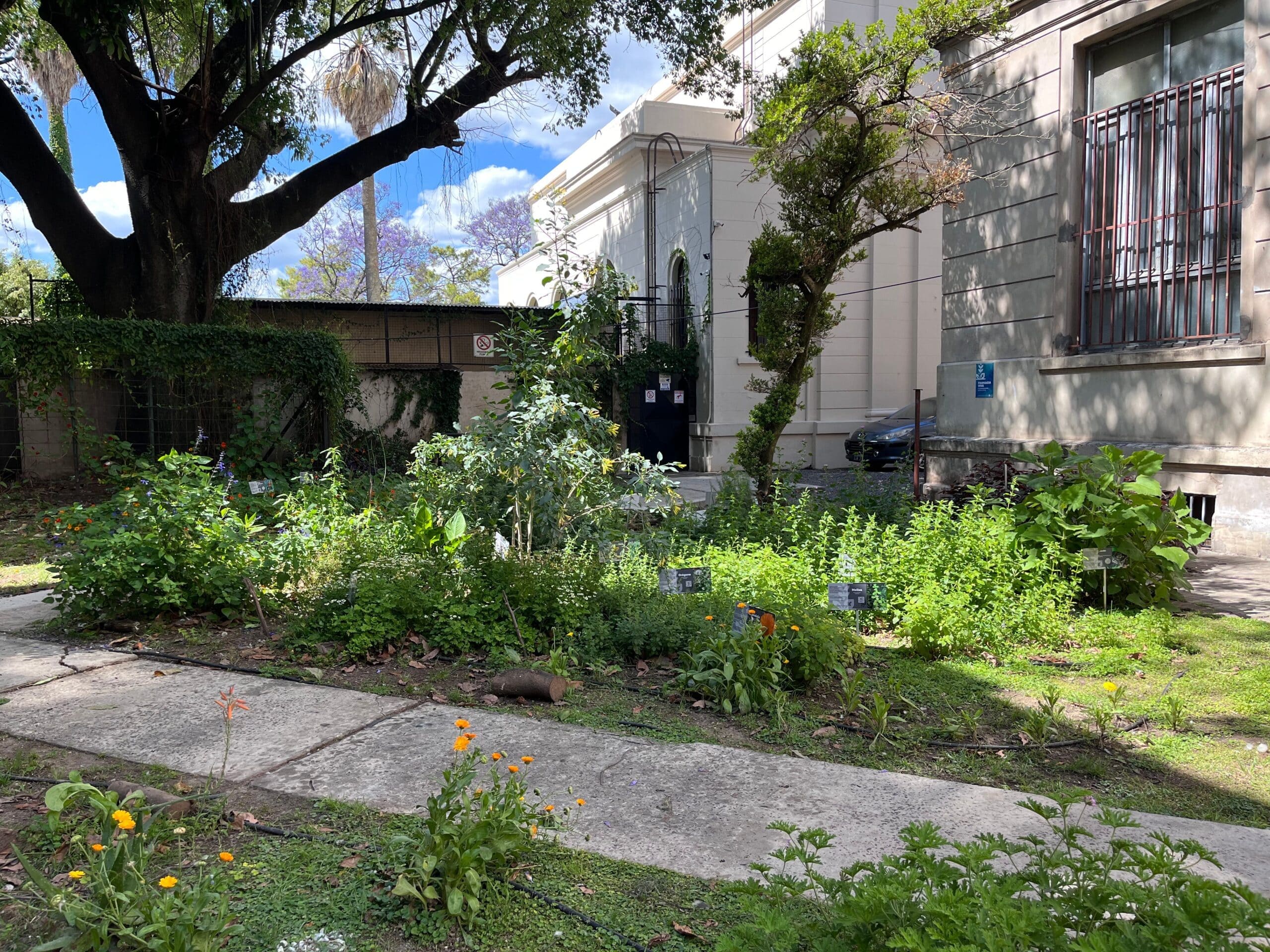
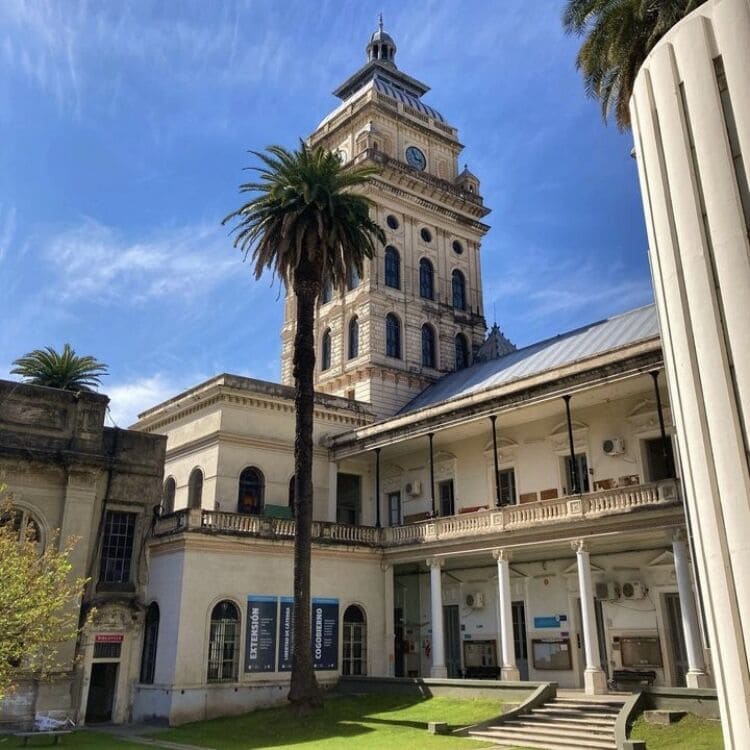
Facilities include teaching hospitals, laboratories, simulation centers, libraries, and research institutes. Infrastructure supports large student cohorts while maintaining access to essential clinical and research resources.
11) Graduate Outcomes
Graduates commonly pursue residency programs within Argentina’s public healthcare system. UNR alumni are widely represented across the country and pursue international licensing pathways following required examinations.
12) Admission Criteria
Admission follows Argentina’s public university framework with open access and rigorous academic progression. Spanish proficiency is mandatory for all medical and health programs due to instructional language and patient interaction.
13) Location
Located in Rosario, a major academic and healthcare center in central Argentina, UNR benefits from a dense hospital network and diverse patient populations, enriching clinical education.
14) Data Transparency
As a public university, UNR publishes curricula, regulations, and institutional data openly. National oversight ensures transparency, accountability, and data reliability.






Comments are closed.