

Payment
Application Fee: 105 USD (Taxes Included)
3,000 $ per year
600 $ per year
300 $ per year
720 $ per year
75 $ per year
University performance analysis
This visual analysis summarizes key academic, research, financial, and global indicators using the official UniEv® evaluation methodology.
The radar analysis highlights Research Strength as a primary strength, reflecting strong alignment with UniEv® academic benchmarks. Conversely, Cost Efficiency shows relative development potential, indicating a strategic area for improvement to enhance competitiveness, student experience, and long-term global positioning.
Global performance comparison
This comparison reveals how the university aligns with global academic benchmarks. Performance strengths and gaps are highlighted to support informed student decisions and strategic academic positioning.
Tuition value & student diversity
These insights help applicants evaluate academic return on investment and understand the university’s international exposure.
Tuition vs Academic Value
Student profile distribution
Ranking Criteria
UniEv® Rank
UniEv® Global: 211
UniEv® Europe: 103
UniEv® Russia: 2
UniEv® Saint Petersburg: 1
1) Accreditation & Recognition
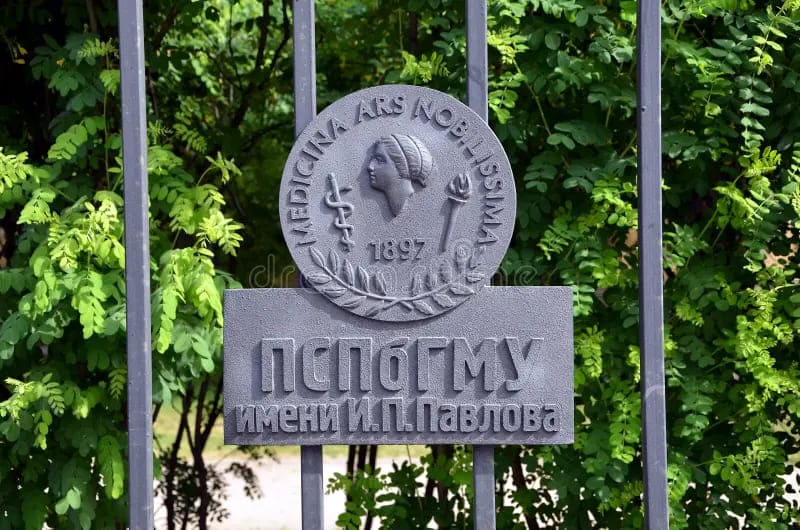
First Pavlov State Medical University of Saint Petersburg is one of Russia’s oldest and most respected medical universities. It is fully accredited by the Russian Ministry of Health and Ministry of Education, granting it authority to award nationally and internationally recognized medical degrees. Internationally, the university is listed with the World Health Organization (WHO) and included in global medical education directories such as FAIMER and ECFMG. This recognition allows graduates to pursue international licensing exams and postgraduate pathways, subject to country-specific regulations. Its long academic history and consistent government oversight make Pavlov University a highly trusted institution for medical education.
2) Quality of Education
Pavlov University provides a strong balance between classical medical education and modern clinical training. The curriculum is structured according to national medical education standards while incorporating evidence-based medicine, updated clinical guidelines, and modern teaching methodologies. Programs are offered in both Russian and English, making the university accessible to international students while maintaining academic rigor. The university emphasizes deep understanding of basic sciences, clinical reasoning, and ethical medical practice. Graduates are known for solid theoretical foundations combined with reliable clinical competence.
3) Clinical Training
Clinical training is a major strength of Pavlov University. The university operates its own teaching hospitals and collaborates with multiple clinical centers across Saint Petersburg. Students gain early exposure to patients and participate in structured clinical rotations covering internal medicine, surgery, pediatrics, obstetrics, and emergency medicine. Practical skills are developed through bedside teaching, simulation training, and supervised procedures. The high patient volume in affiliated hospitals ensures exposure to diverse medical conditions, preparing students effectively for internships and real-world clinical practice.
4) Faculty
The university employs approximately 1,500 faculty members, including professors, associate professors, and senior clinicians. Many faculty members are recognized experts in their fields and actively contribute to national healthcare programs and scientific research. Faculty involvement in both teaching and clinical practice ensures that education remains relevant and up to date. Strong mentorship and supervision support student academic growth and clinical skill development throughout the program.
5) Research
Research activity at Pavlov University is well established, particularly in clinical medicine, biomedical sciences, and translational research. The university hosts multiple research laboratories and institutes and participates in national and international research projects. Students are encouraged to engage in research activities, conferences, and publications. This research environment supports evidence-based learning and provides a foundation for students interested in academic medicine or postgraduate research pathways.
6) Rankings
Pavlov University consistently ranks among the top medical universities in Russia and maintains a respectable position in global rankings. While it may not reach the visibility of MSU or Sechenov University, its ranking performance reflects strong clinical training, academic reputation, and research output. Its stable position in national rankings highlights its long-term educational quality and institutional reliability.
7) Tuition & Financial Transparency
Tuition fees at Pavlov University are relatively affordable compared to Western European medical schools and competitive within Russia. Fees typically range between 5,500 and 8,500 USD annually depending on the program and language of instruction. The university maintains transparent fee structures, allowing students to plan financially with confidence. Scholarship opportunities exist, primarily for local students and limited competitive options for international students.
8) Cost of Living
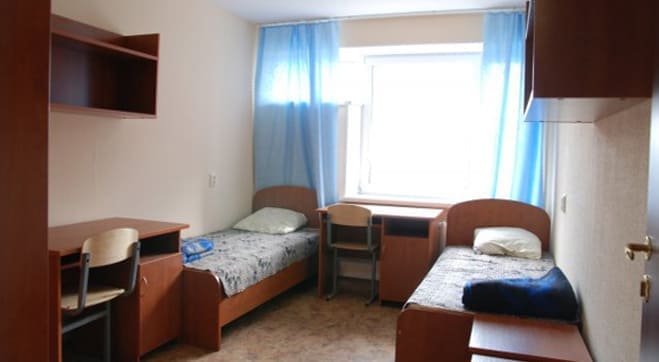
Saint Petersburg offers a lower cost of living compared to Moscow while maintaining a high quality of life. Students typically spend between 250 and 450 USD per month on accommodation, food, transportation, and personal expenses. University dormitories provide affordable housing options, significantly reducing living costs. This makes Pavlov University an attractive choice for students seeking quality education with manageable expenses.
9) Student Life
Student life at Pavlov University combines academic intensity with cultural richness. Saint Petersburg’s historical and cultural environment enhances the student experience. The university offers student clubs, scientific societies, volunteer medical programs, and cultural activities. International students benefit from support services that assist with adaptation, academics, and daily life. The campus environment encourages professional development alongside cultural integration.
10) Facilities
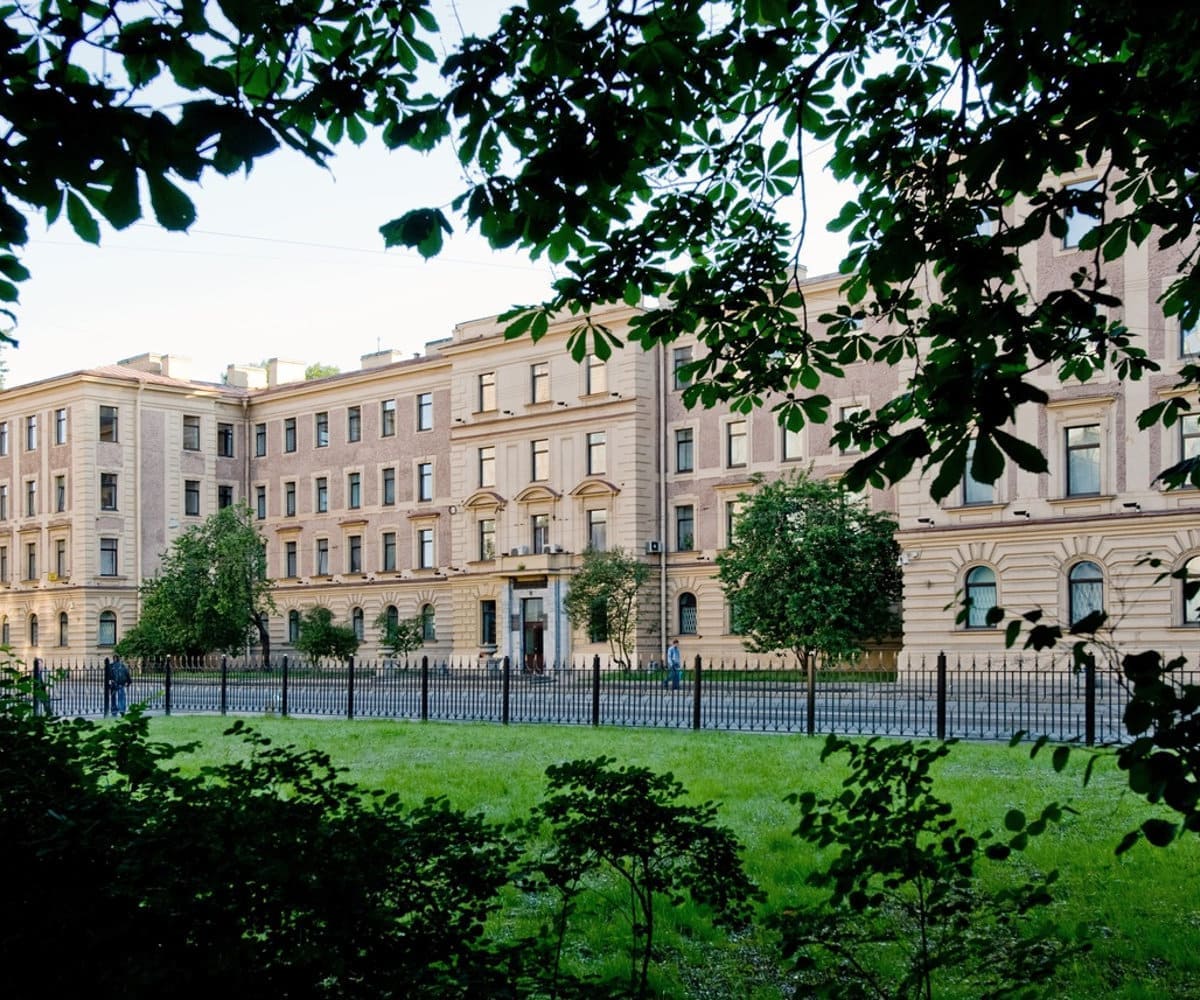
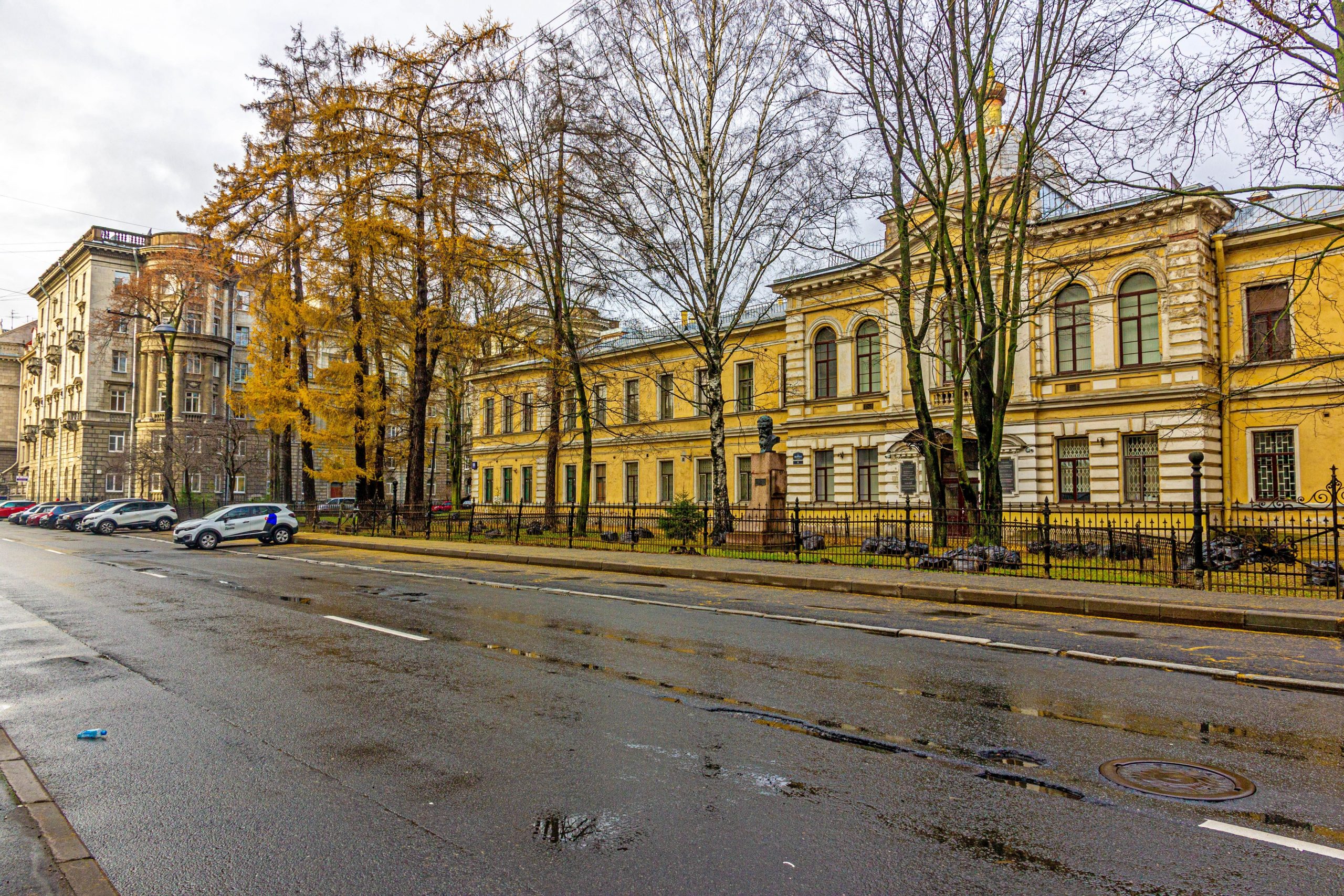
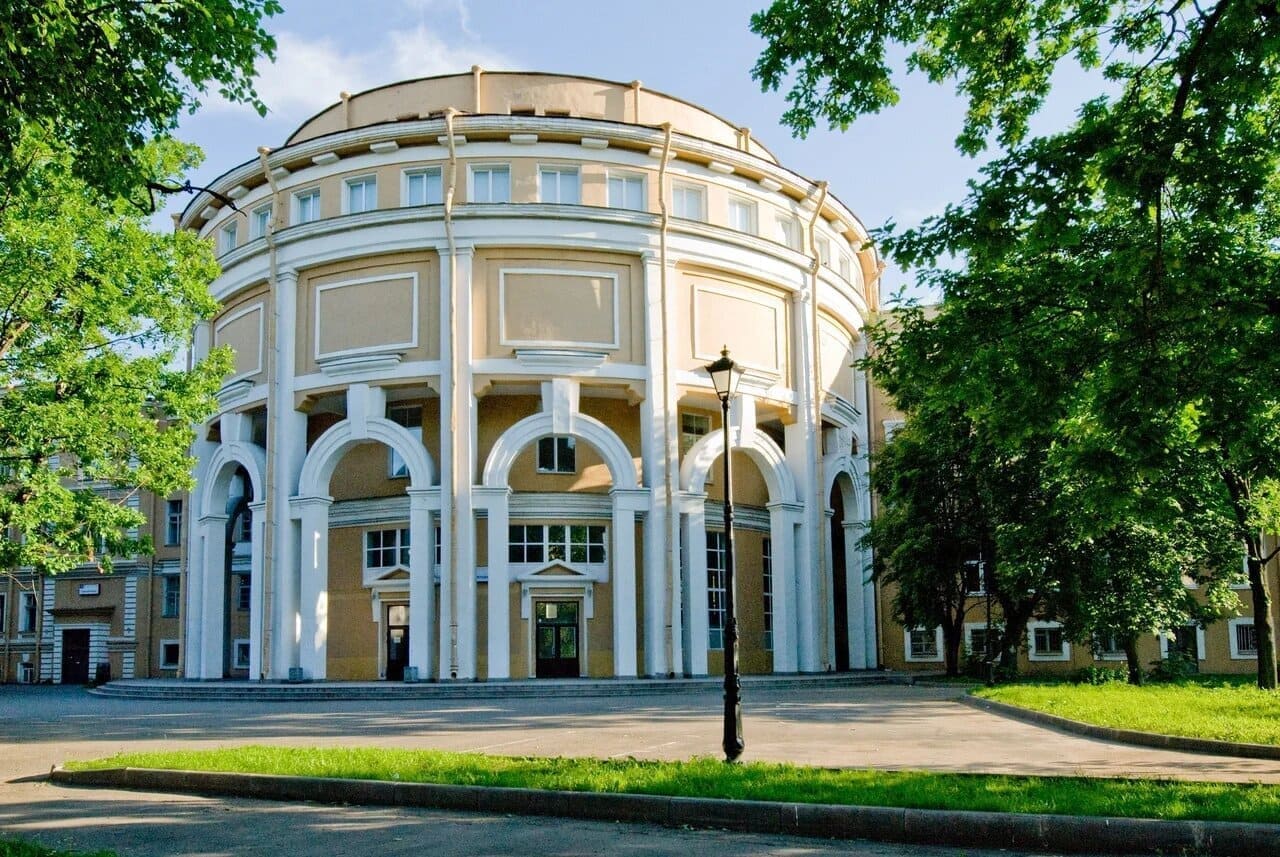
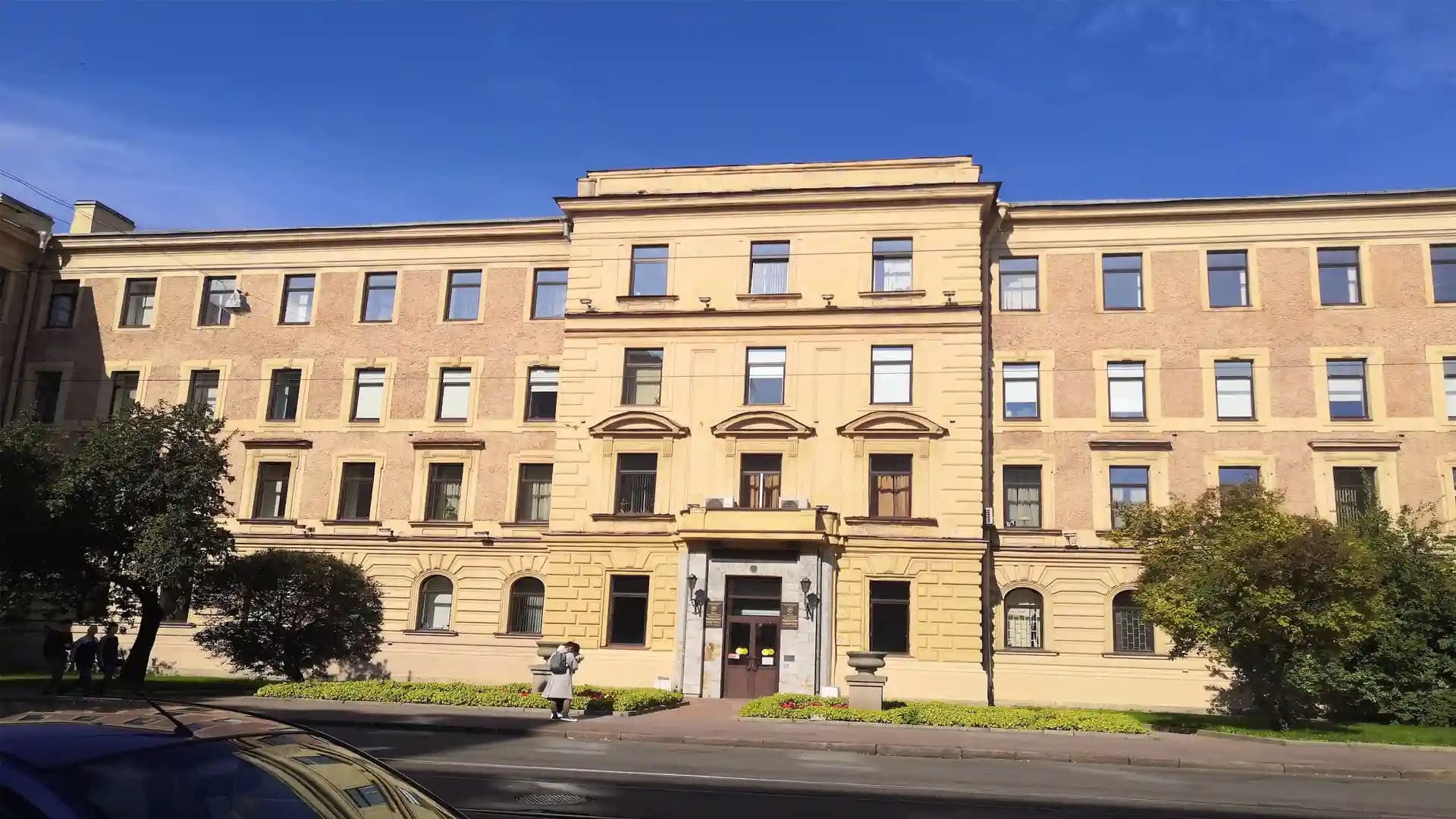
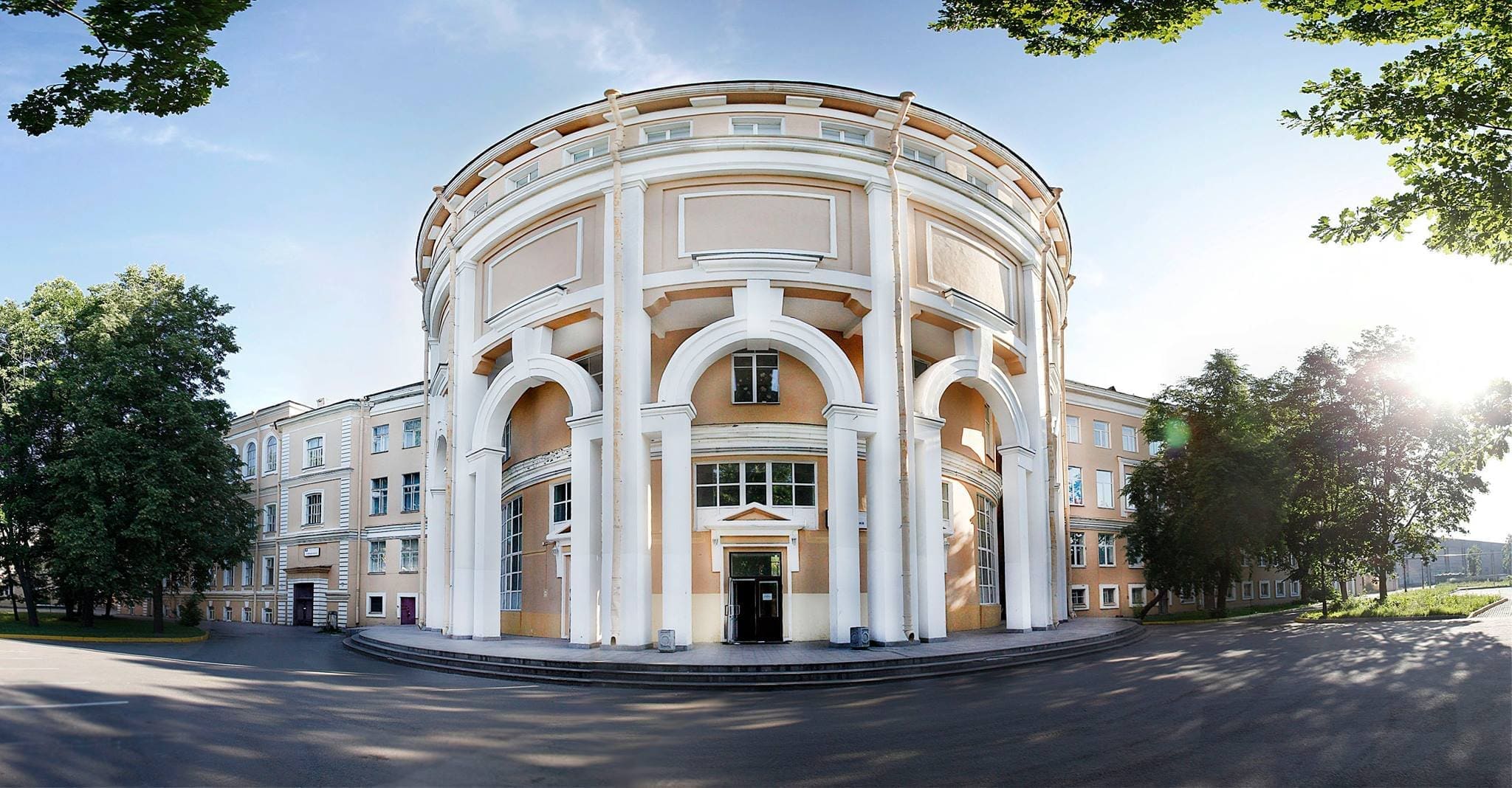
The university provides modern lecture halls, clinical laboratories, simulation centers, libraries, and well-equipped teaching hospitals. Its clinical infrastructure is particularly strong, supporting hands-on medical education. Digital learning resources and research facilities further enhance academic performance and practical training.
11) Graduate Outcomes
Graduates of Pavlov University are well prepared for medical practice, internships, residency programs, and international licensing exams. Alumni work across Russia and internationally in clinical practice, research, and public health. The university’s reputation and clinical training quality support strong employability and career mobility.
12) Admission Criteria
Admission requires completion of secondary education with a solid background in science subjects. English-taught programs may require proof of language proficiency or preparatory training. The admission process is structured, with dedicated offices supporting international applicants.
13) Location
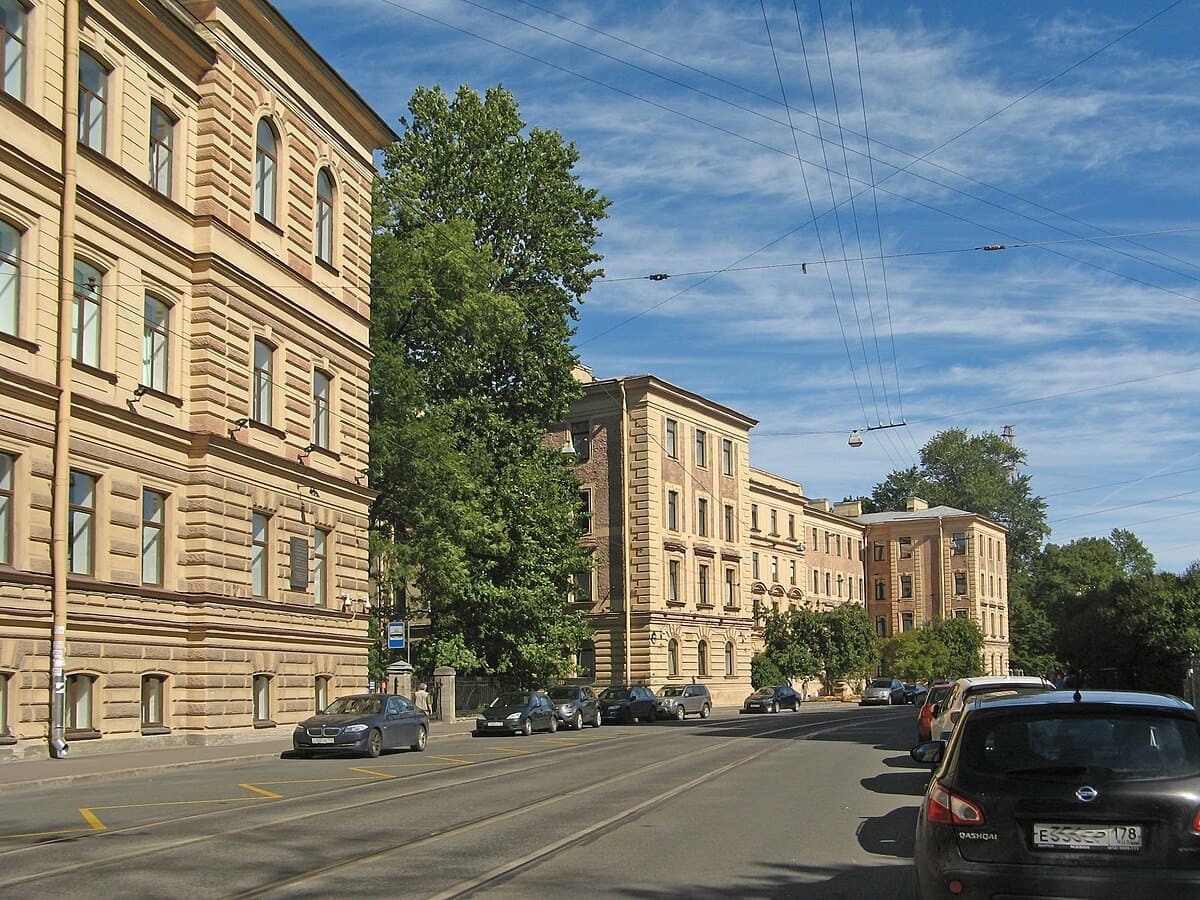
Located in Saint Petersburg, Russia’s cultural capital, the university benefits from access to major hospitals, research institutions, and a vibrant academic environment. The city’s infrastructure, safety, and cultural heritage enhance the overall student experience.
14) Data Transparency
Pavlov University maintains reasonable transparency regarding programs, tuition, and admissions. While some historical ranking data is limited, core academic and financial information is reliably communicated, supporting informed decision-making.






Comments are closed.