

Payment
Application Fee: 105 USD (Taxes Included)
7,200 $ per year
1,800 $ per year
720 $ per year
1,800 $ per year
180 $ per year
University performance analysis
This visual analysis summarizes key academic, research, financial, and global indicators using the official UniEv® evaluation methodology.
The radar analysis highlights Faculty Capacity as a primary strength, reflecting strong alignment with UniEv® academic benchmarks. Conversely, Global Positioning shows relative development potential, indicating a strategic area for improvement to enhance competitiveness, student experience, and long-term global positioning.
Global performance comparison
This comparison reveals how the university aligns with global academic benchmarks. Performance strengths and gaps are highlighted to support informed student decisions and strategic academic positioning.
Tuition value & student diversity
These insights help applicants evaluate academic return on investment and understand the university’s international exposure.
Tuition vs Academic Value
Student profile distribution
Ranking Criteria
UniEv® Rank
UniEv® Global: 1049
UniEv® South America: 115
UniEv® Bolivia: 1
UniEv® La Paz: 1
1) Accreditation
Universidad Católica Boliviana “San Pablo” (UCB) is accredited by the Bolivian Ministry of Education and operates as a private Catholic university. The Faculty of Medicine adheres to national medical education standards and complies with regulatory requirements for professional qualification in Bolivia. The university maintains eligibility for inclusion in international medical directories, allowing graduates to pursue further licensing examinations internationally subject to host-country regulations.
2) Quality of Education
The MD program spans six academic years and integrates biomedical sciences, ethics, and clinical medicine within a Catholic institutional framework. Instruction is delivered in Spanish and emphasizes academic rigor, professional ethics, and evidence-based medical practice. Smaller class sizes compared to public institutions allow closer supervision and structured academic monitoring.
3) Clinical Training
Clinical training is conducted in affiliated private and public hospitals in La Paz and other campuses. Students rotate through core specialties including internal medicine, surgery, pediatrics, obstetrics and gynecology, and emergency medicine. Exposure to private healthcare infrastructure enhances experience in modern clinical environments.
4) Faculty
The Faculty of Medicine includes senior academic staff, practicing clinicians, and research-active professors. Faculty recruitment prioritizes academic productivity and clinical expertise. Structured supervision contributes to academic consistency and professional development.
5) Research
With approximately 9,500 indexed publications, UCB demonstrates moderate research productivity within Bolivia. Research areas include public health, clinical medicine, and biomedical sciences. Institutional initiatives aim to expand international collaboration and publication output.
6) Rankings
With a global ranking of 2100 and local ranking of 3, UCB holds a strong private sector position within Bolivia. Ranking improvement reflects research development and stable academic performance.
7) Tuition
As a private institution, tuition is higher than public universities. Annual tuition increases average 2.8%, reflecting infrastructure development and academic expansion.
8) Cost of Living
Students in La Paz typically budget approximately 600 USD per month for living expenses including accommodation, food, and transportation.
9) Student Life
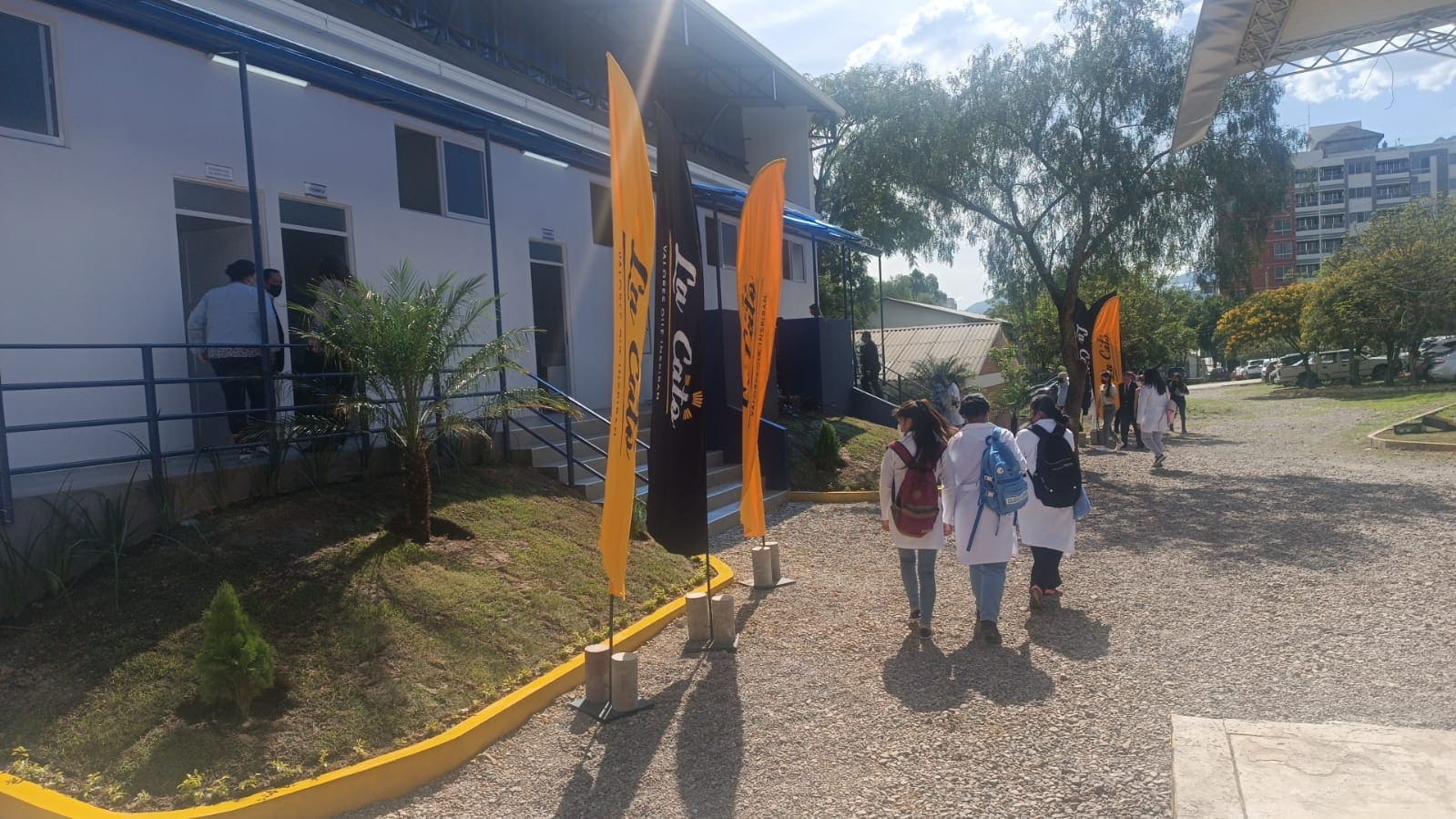
Student life combines academic focus with community engagement and ethical education. Medical students participate in volunteer initiatives and health outreach programs.
10) Facilities
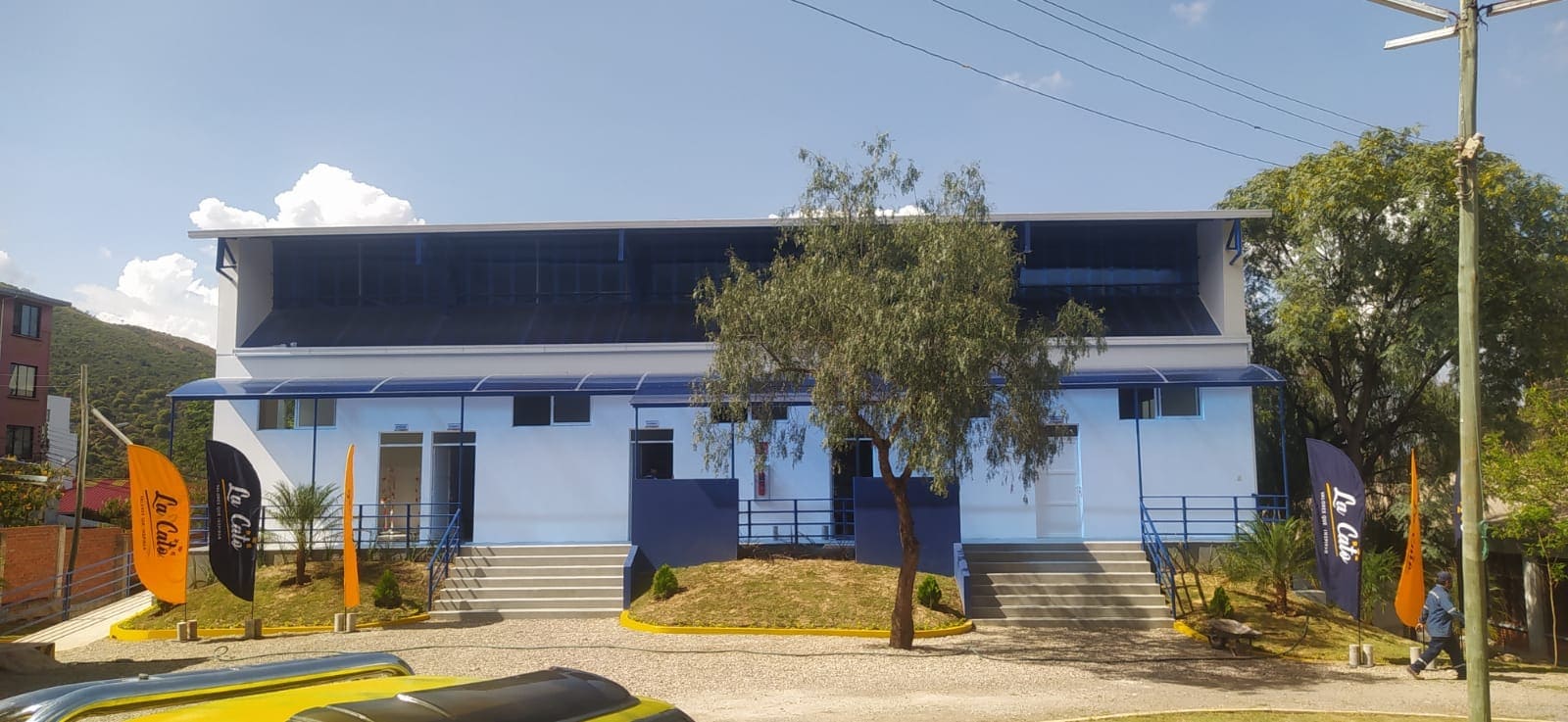
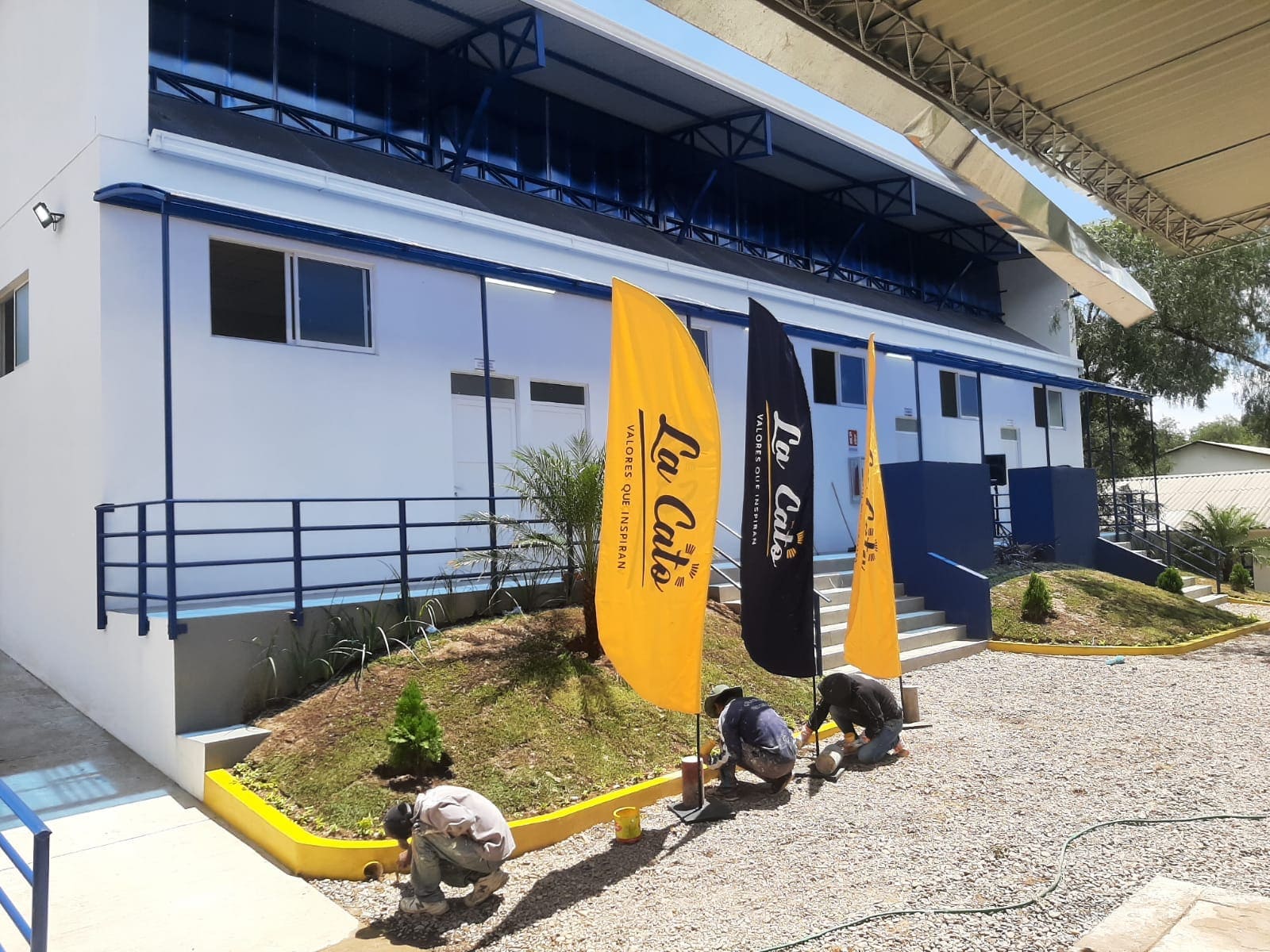
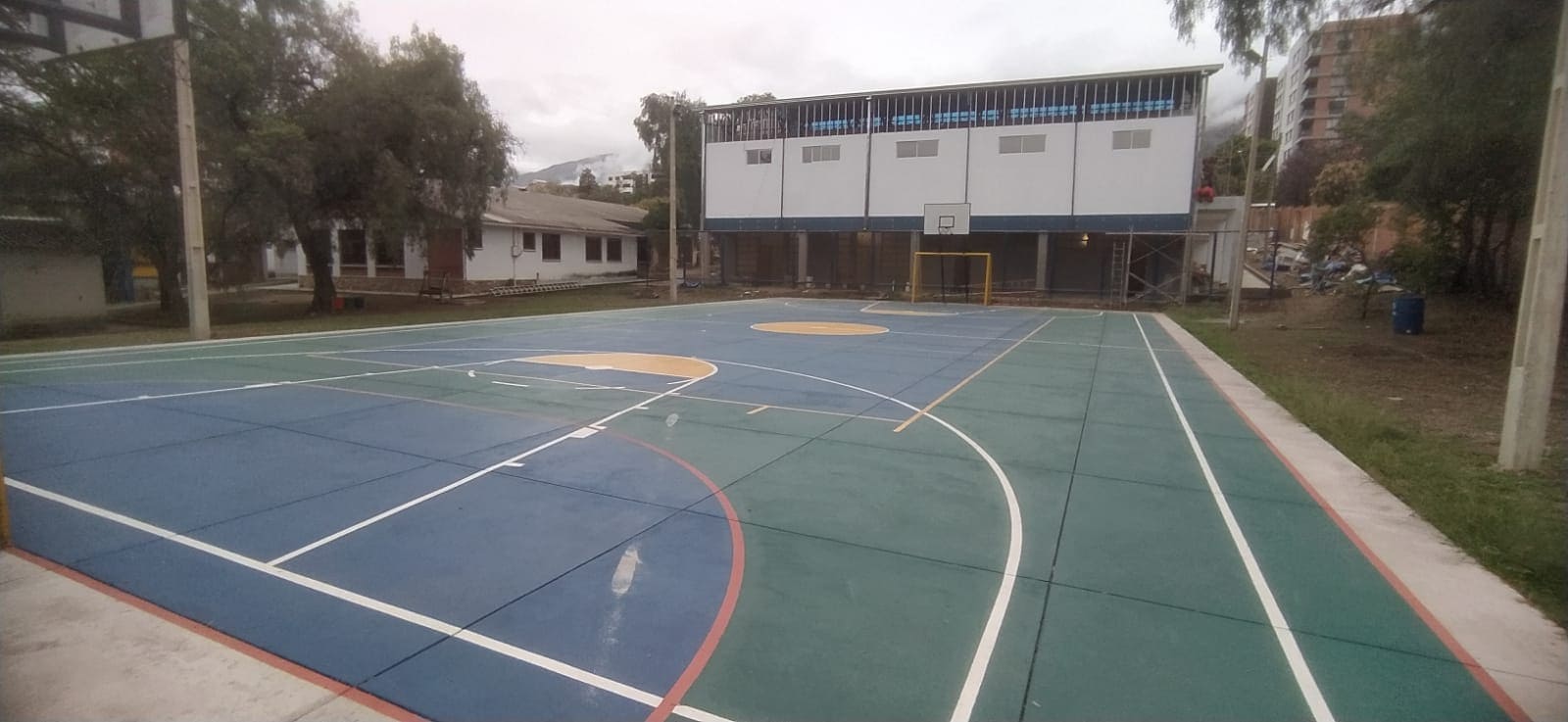
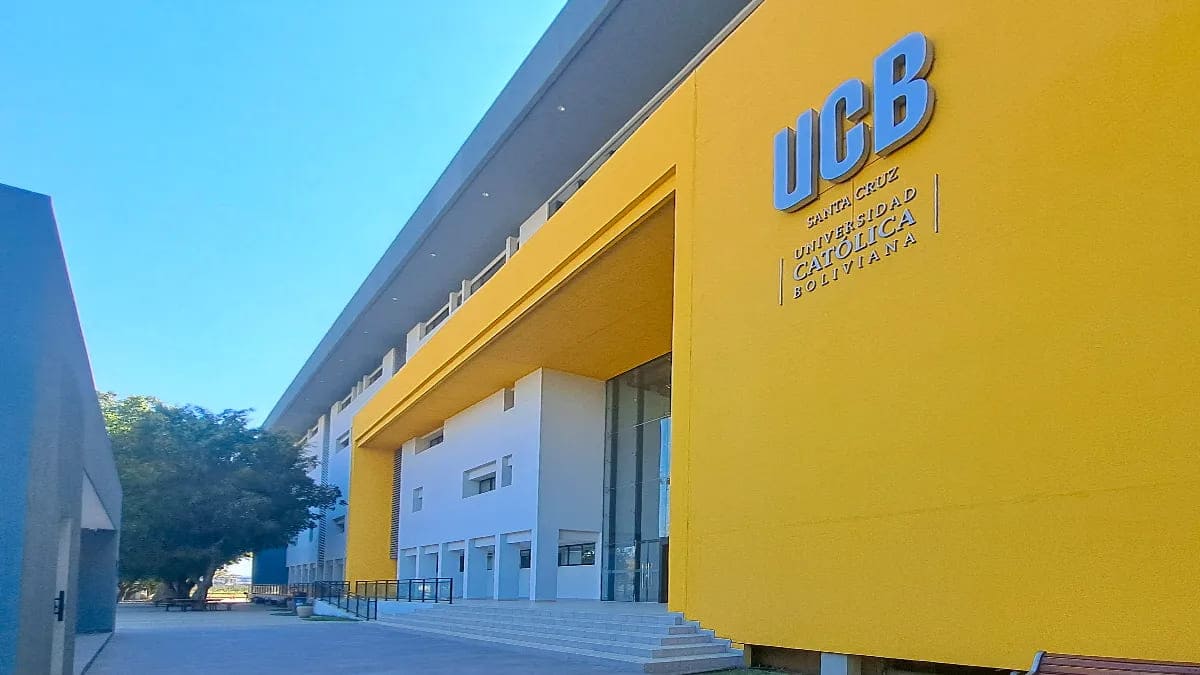
Facilities include modern lecture halls, laboratories, and clinical simulation spaces. Infrastructure quality aligns with private sector standards in Bolivia.
11) Graduate Outcomes
Graduates commonly practice within Bolivia’s healthcare system or pursue specialization. Some graduates apply for international equivalency examinations depending on regulatory eligibility.
12) Admission Criteria
Admission requires secondary education completion and university entrance assessment. Competition is moderate within Bolivia’s private higher education sector.
13) Location
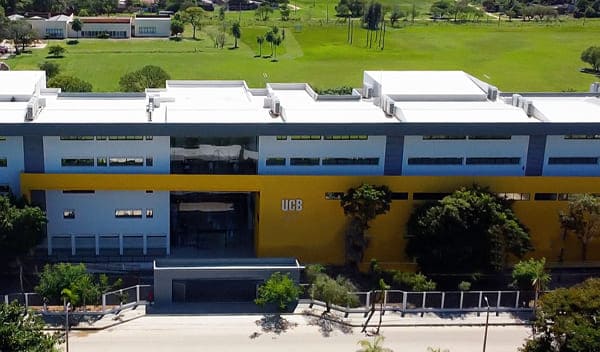
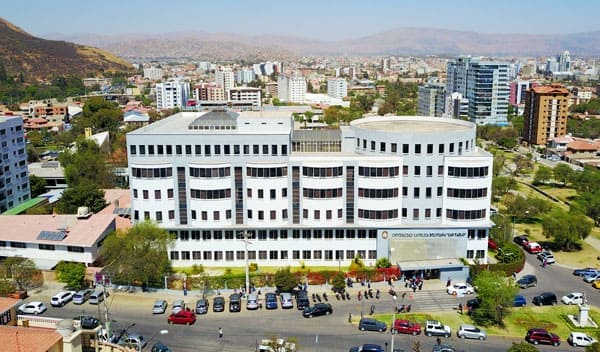
The university operates primarily in La Paz, providing access to tertiary hospitals and urban healthcare infrastructure.
14) Data Transparency
Universidad Católica Boliviana “San Pablo” is initially compliant with UniEv® Ranking standards. Institutional statistics are reviewed and officially updated every January of each year according to UniEv® evaluation methodology. Any deficiency in reported data, incomplete disclosure, or evidence of statistical manipulation results in reassessment and potential removal from the UniEv® platform, ensuring transparency, accountability, and student protection.


Comments are closed.