

Payment
Application Fee: 105 USD (Taxes Included)
6,240 $ per year
950 $ per year
624 $ per year
1,438 $ per year
156 $ per year
University performance analysis
This visual analysis summarizes key academic, research, financial, and global indicators using the official UniEv® evaluation methodology.
The radar analysis highlights Faculty Capacity as a primary strength, reflecting strong alignment with UniEv® academic benchmarks. Conversely, Global Positioning shows relative development potential, indicating a strategic area for improvement to enhance competitiveness, student experience, and long-term global positioning.
Global performance comparison
This comparison reveals how the university aligns with global academic benchmarks. Performance strengths and gaps are highlighted to support informed student decisions and strategic academic positioning.
Tuition value & student diversity
These insights help applicants evaluate academic return on investment and understand the university’s international exposure.
Tuition vs Academic Value
Student profile distribution
Ranking Criteria
UniEv® Rank
UniEv® Global: 803
UniEv® South America: 145
UniEv® Bolivia: 3
UniEv® La Paz: 2
1) Accreditation
Universidad Mayor de San Andrés (UMSA) is accredited by the Bolivian Ministry of Education and operates as one of the oldest public universities in Bolivia. The Facultad de Medicina adheres to national medical education standards and maintains eligibility for listing in international medical directories. Accreditation ensures that graduates meet professional practice requirements within Bolivia and may pursue international equivalency processes subject to national licensing regulations.
2) Quality of Education
The MD program spans six academic years and integrates strong foundational biomedical sciences with clinical immersion. Instruction is delivered in Spanish and emphasizes public health, epidemiology, and hospital-based medicine. UMSA’s long institutional history contributes to structured academic frameworks and consistent curricular development aligned with national healthcare needs.
3) Clinical Training
Clinical education is conducted through major public hospitals in La Paz. Students rotate across internal medicine, surgery, pediatrics, obstetrics and gynecology, emergency care, and specialized departments. The high-altitude urban setting exposes students to diverse clinical presentations and complex case management.
4) Faculty
The faculty includes senior professors, clinicians, and academic researchers. Many faculty members hold extensive experience within Bolivia’s public health system. Academic mentorship is structured through departmental supervision and hospital-based training coordination.
5) Research
Research productivity is moderate to strong within Bolivia, with approximately 15,000 indexed publications. Research areas include public health, infectious diseases, high-altitude medicine, and epidemiology. UMSA remains one of the leading research contributors in Bolivia.
6) Rankings
With a global ranking of 2400 and consistent local ranking of 1, UMSA is positioned as the leading public university in Bolivia. Ranking progression shows gradual improvement over the past decades driven by research growth and enrollment expansion.
7) Tuition
Tuition fees are highly affordable due to public funding. Annual increases remain modest at approximately 1.7%, preserving accessibility for domestic students.
8) Cost of Living
La Paz offers moderate living expenses. Students typically budget around 520 USD per month including accommodation and daily necessities.
9) Student Life
Student life is academically demanding and socially engaged. Medical students frequently participate in public health campaigns and community outreach initiatives.
10) Facilities
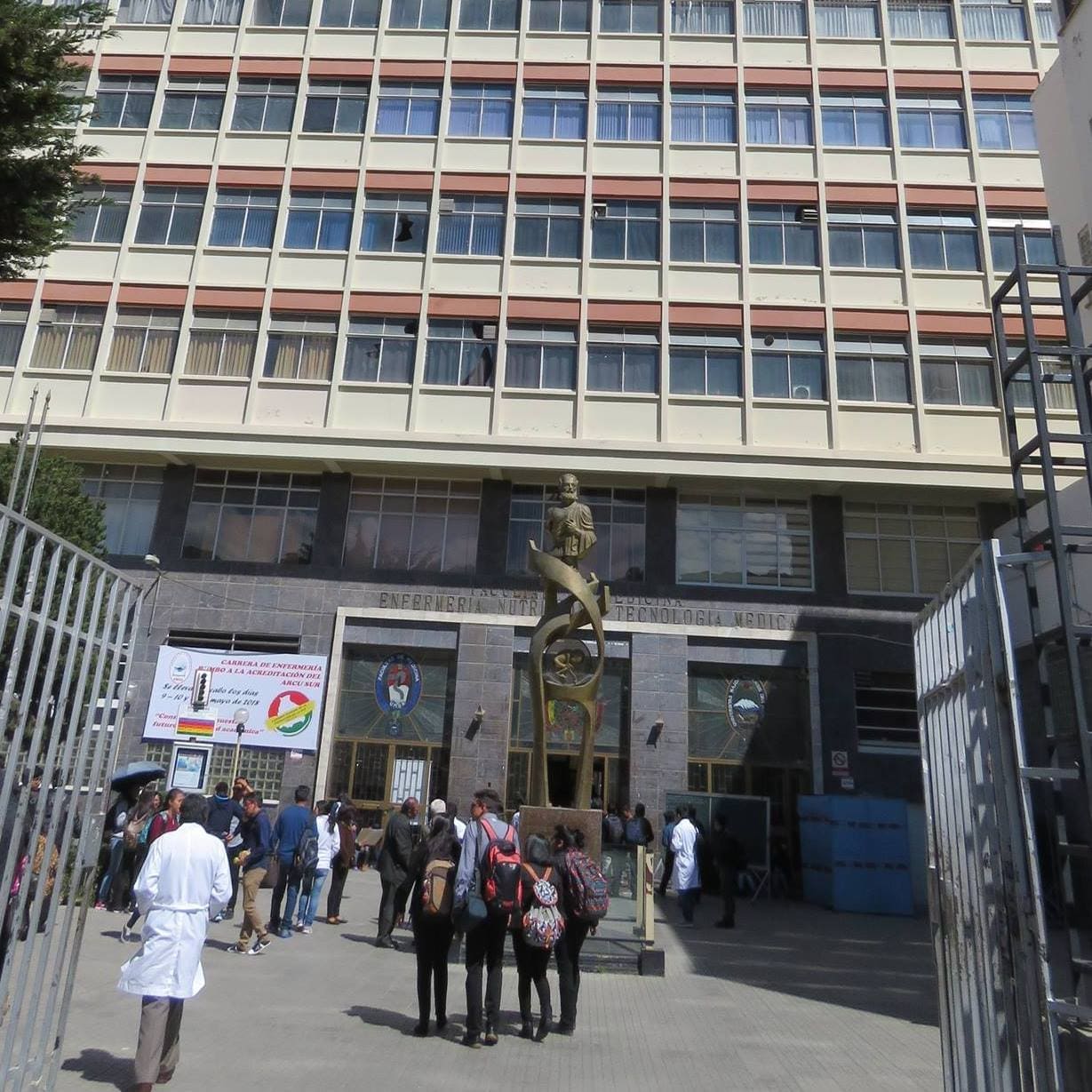
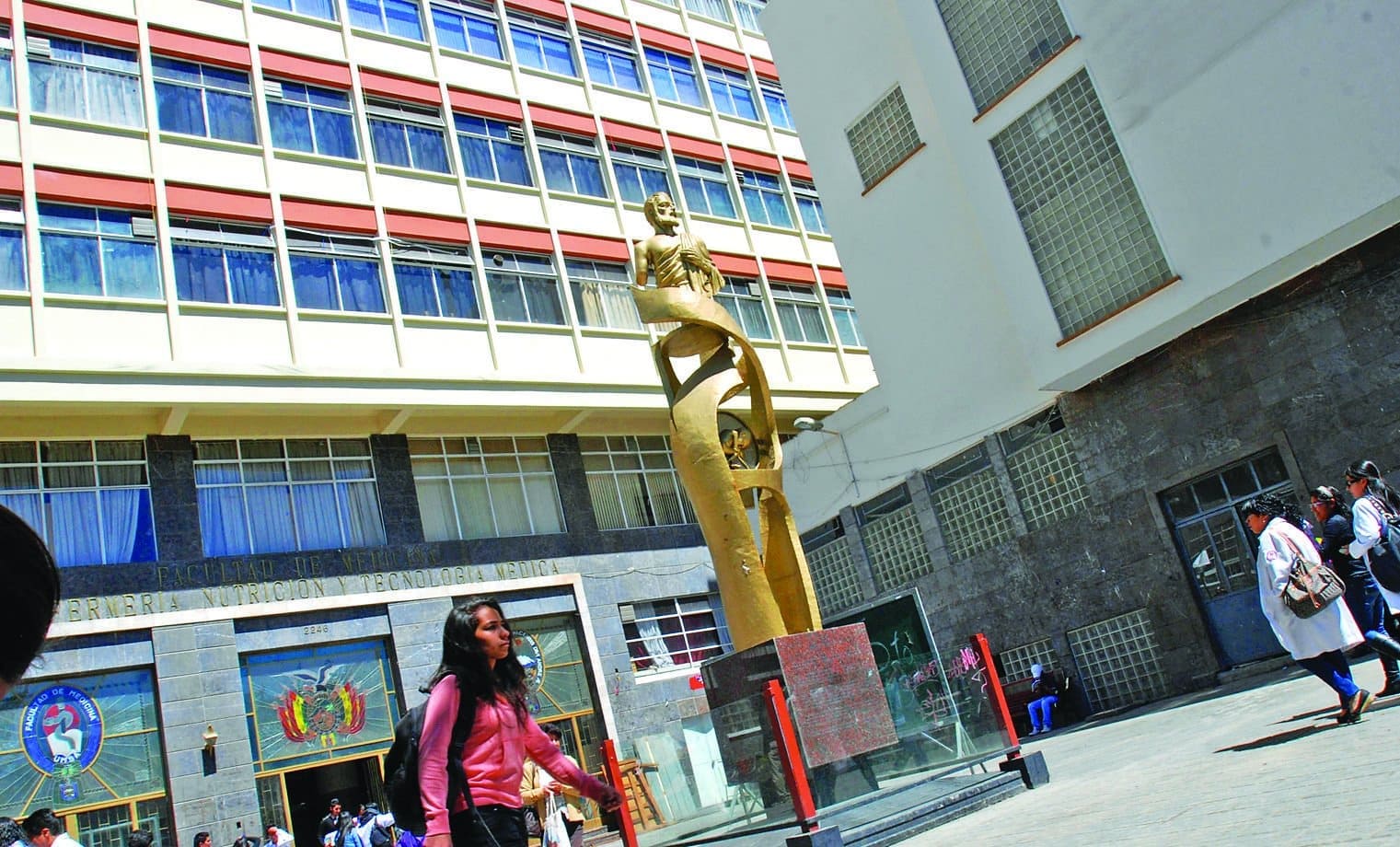
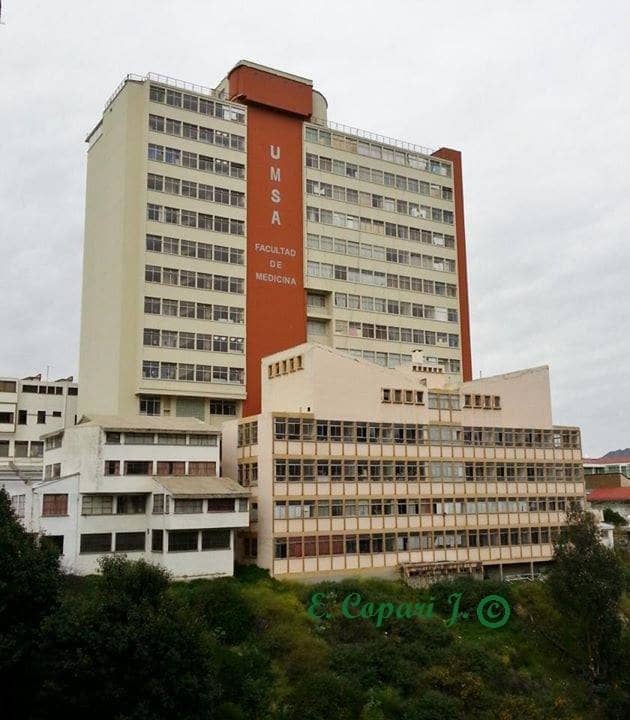
Facilities include lecture halls, clinical laboratories, and partnerships with major public hospitals. Infrastructure supports large-scale student enrollment and essential medical training delivery.
11) Graduate Outcomes
Graduates primarily practice within Bolivia’s public healthcare system. Some pursue specialization or international recognition depending on regulatory pathways.
12) Admission Criteria
Admission requires successful completion of secondary education and entrance examinations regulated by the university. Entry competition is high within Bolivia’s public university system.
13) Location
Located in La Paz, UMSA benefits from access to tertiary hospitals and diverse patient populations. The high-altitude environment provides unique clinical exposure.
14) Data Transparency
Universidad Mayor de San Andrés (UMSA) is initially compliant with UniEv® Ranking standards. Institutional statistics are reviewed and officially updated every January of each year according to UniEv® evaluation methodology. Any deficiency in reported data, incomplete disclosure, or evidence of statistical manipulation results in reassessment and potential removal from the UniEv® platform, ensuring transparency, accountability, and student protection.

Comments are closed.