

Payment
Application Fee: 105 USD (Taxes Included)
4,800 $ per year
700 $ per year
480 $ per year
1,100 $ per year
120 $ per year
University performance analysis
This visual analysis summarizes key academic, research, financial, and global indicators using the official UniEv® evaluation methodology.
The radar analysis highlights Faculty Capacity as a primary strength, reflecting strong alignment with UniEv® academic benchmarks. Conversely, Global Positioning shows relative development potential, indicating a strategic area for improvement to enhance competitiveness, student experience, and long-term global positioning.
Global performance comparison
This comparison reveals how the university aligns with global academic benchmarks. Performance strengths and gaps are highlighted to support informed student decisions and strategic academic positioning.
Tuition value & student diversity
These insights help applicants evaluate academic return on investment and understand the university’s international exposure.
Tuition vs Academic Value
Student profile distribution
Ranking Criteria
UniEv® Rank
UniEv® Global: 1471
UniEv® Asia: 357
UniEv® Uzbekistan: 1
UniEv® Tashkent: 1
1) Accreditation
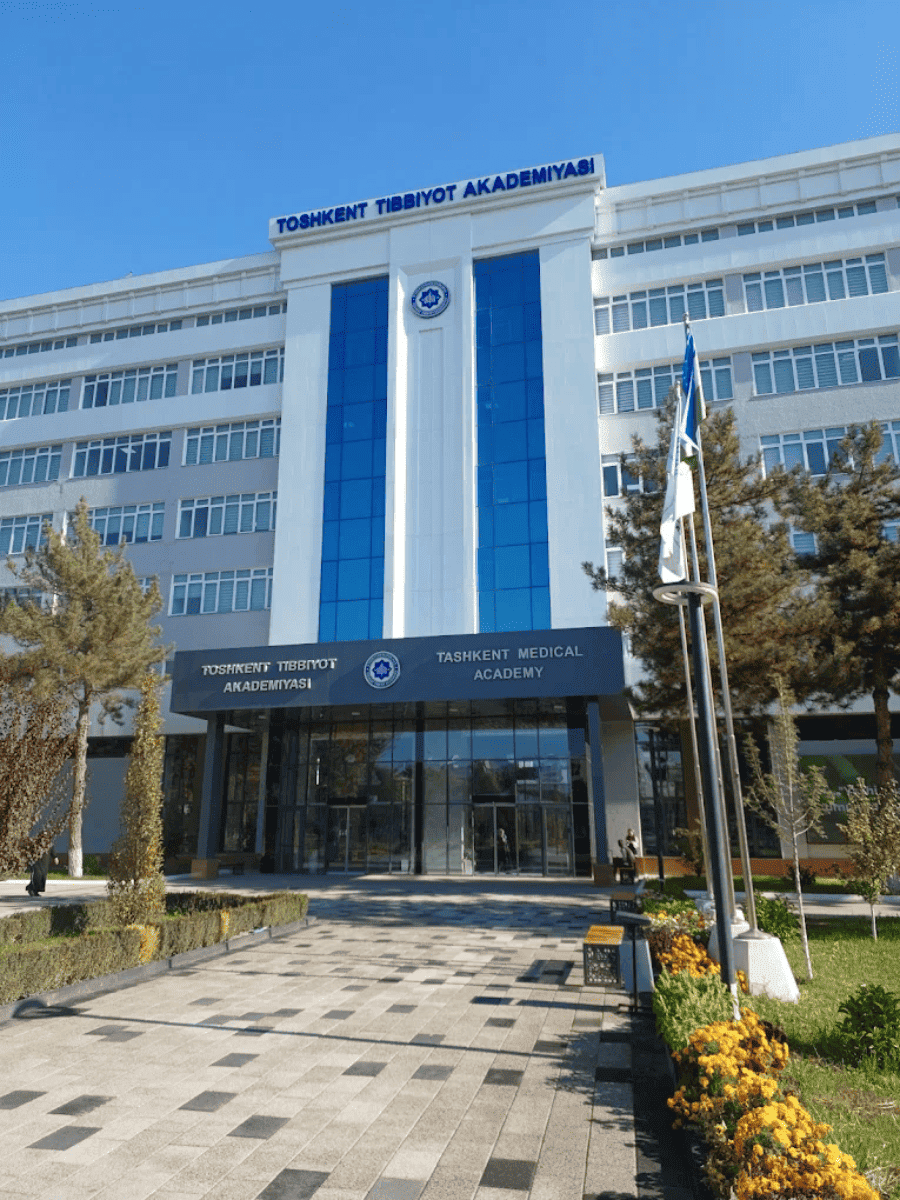
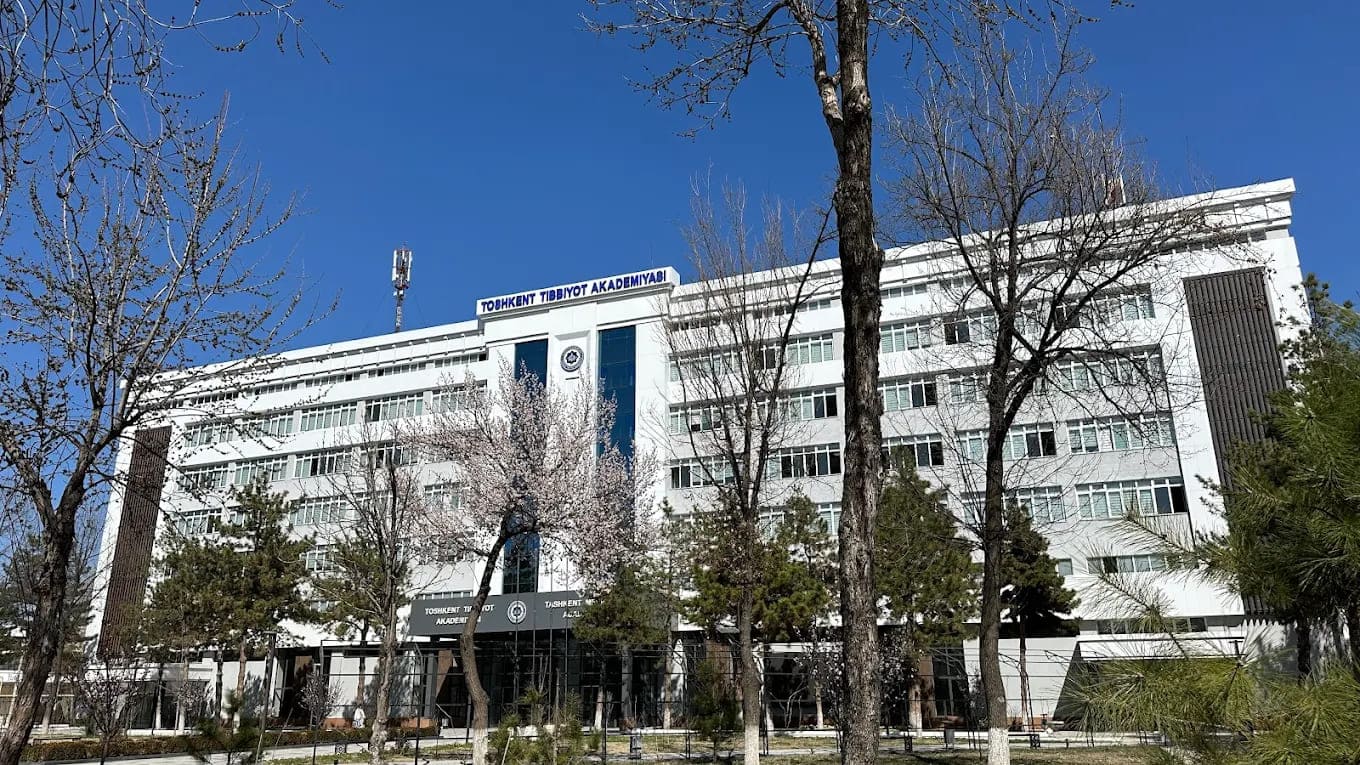
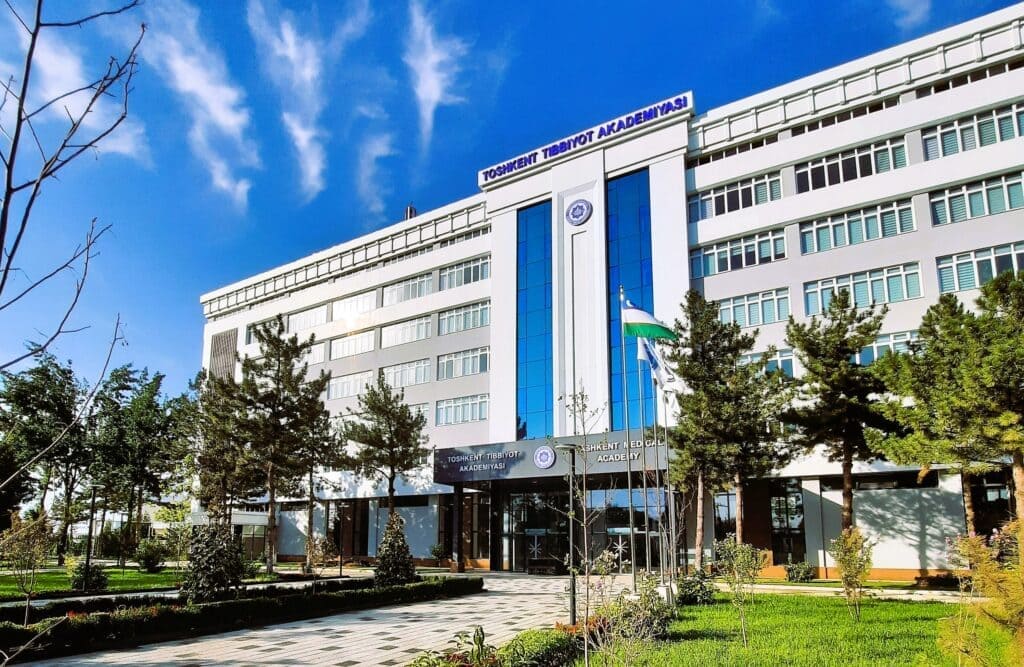
Tashkent Medical Academy (TMA) is the oldest and most prestigious public medical university in Uzbekistan, established in 1919 and regulated by the Ministry of Higher Education. The Faculty of Medicine is listed in the World Health Organization (WHO) directory, enabling graduates to pursue international medical licensure pathways subject to country-specific regulations and examinations. While TMA does not hold Western accreditations such as AMC or WFME, its WHO listing and national status as Uzbekistan’s leading medical institution provide strong baseline international recognition.
2) Quality of Education
TMA delivers a comprehensive and rigorous medical education grounded in a classical Eastern European model. The MD curriculum emphasizes strong foundations in anatomy, physiology, pathology, pharmacology, and clinical medicine. Teaching quality is reinforced by experienced faculty, structured national curricula, and expanding English-medium programs tailored for international students.
3) Clinical Training
Clinical training at TMA is conducted through a vast network of major public hospitals and specialized medical centers across Tashkent. Students gain extensive hands-on experience in internal medicine, surgery, pediatrics, obstetrics and gynecology, emergency medicine, and subspecialties. High patient volumes and tertiary-care exposure strengthen diagnostic and clinical decision-making skills.
4) Faculty
The academy employs approximately 1,800 faculty members, including senior professors, associate professors, and practicing clinicians. Many faculty members are leaders within Uzbekistan’s healthcare system, ensuring that teaching remains closely aligned with real-world clinical standards and national health priorities.
5) Research
TMA is the leading medical research institution in Uzbekistan, with more than 26,000 indexed medical and health research outputs. Research strengths include clinical medicine, infectious diseases, cardiology, public health, and medical education. Students are encouraged to engage in research activities, particularly during clinical training years.
6) Rankings
With a global ranking of approximately 3800, TMA stands as the highest-ranked medical university in Uzbekistan. Its consistent local ranking of 1 reflects long-standing academic leadership, institutional stability, and national influence.
7) Tuition
TMA offers highly affordable medical education compared to Western and many Asian institutions. Tuition fees remain low while providing WHO-listed degrees and strong clinical exposure, making the academy attractive to international students seeking cost-effective medical training.
8) Cost of Living
Tashkent has a moderate cost of living by regional standards. Average monthly expenses of around 400 USD typically cover accommodation, food, transportation, and utilities, keeping overall study costs manageable.
9) Student Life
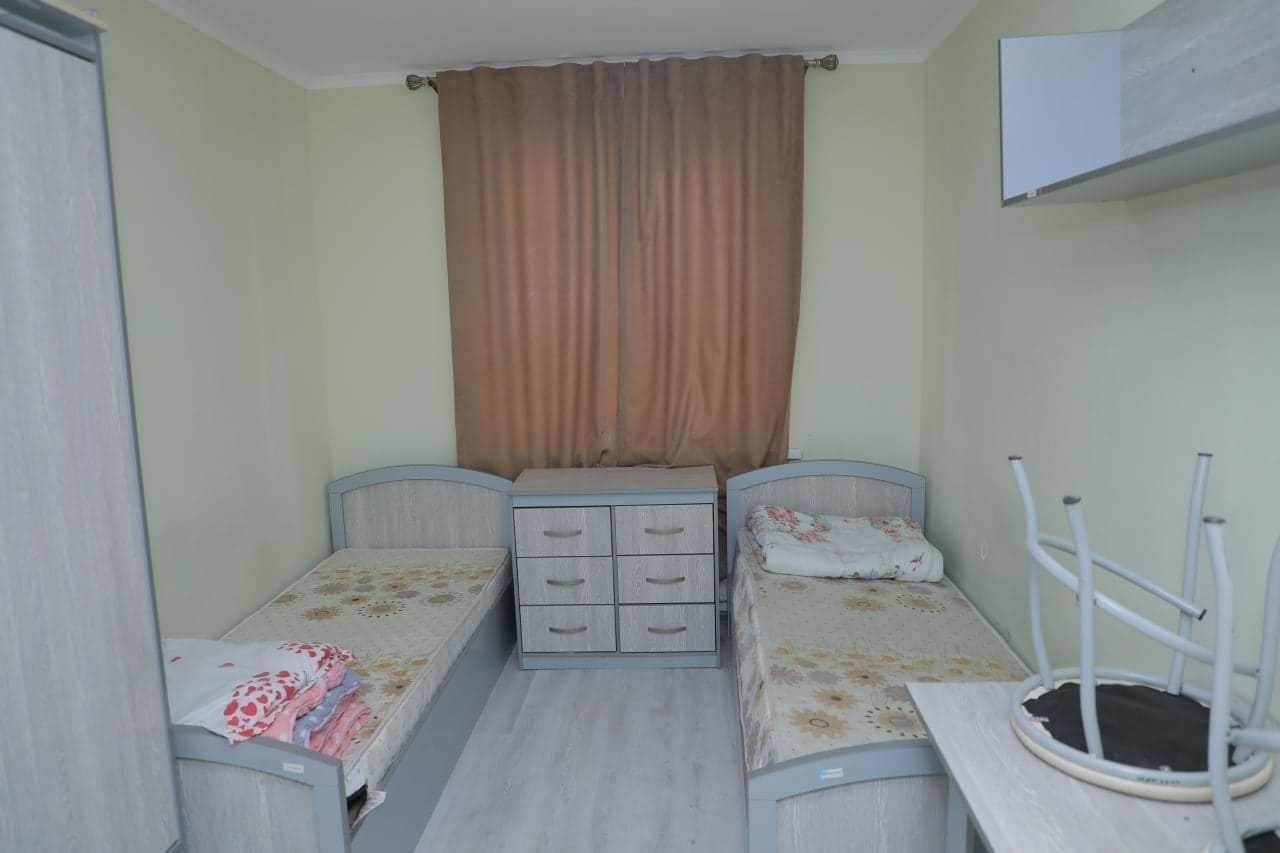
Student life at TMA is academically intensive. International students benefit from on-campus hostels, cultural integration programs, and student support services. The capital city location provides access to cultural, educational, and professional opportunities.
10) Facilities
Facilities include large lecture halls, specialized laboratories, clinical skills centers, and access to major teaching hospitals. While infrastructure varies in modernization level, it adequately supports comprehensive medical education and clinical training.
11) Graduate Outcomes
Graduates commonly pursue licensing examinations such as FMGE, PLAB, USMLE (with additional requirements), or regional equivalency exams depending on their target country. TMA alumni practice widely across Central Asia, South Asia, the Middle East, and Africa.
12) Admission Criteria
Admission requires completion of secondary education with science subjects. English-medium programs require basic English proficiency. Entry standards are accessible, though competitive relative to other Uzbek medical universities due to TMA’s reputation.
13) Location
Located in Tashkent, Uzbekistan’s capital, the academy benefits from access to the country’s largest healthcare infrastructure, diverse patient populations, and national referral hospitals, enhancing clinical exposure.
14) Data Transparency
TMA provides core academic and administrative information through official university channels. While international reporting is limited, essential data regarding tuition, programs, and admissions is publicly available and consistent.











Comments are closed.